Emergency Furnace Repair
Help when the heat stops and the house is cooling fast.
When the heat stops
No heat in a Wyoming winter moves fast from inconvenience to urgency. The house cools, pipes stiffen, and every hour matters, especially if a storm is also closing roads. This post gives you a calm order of steps: the simple checks first, then how to protect the house while you wait for help.
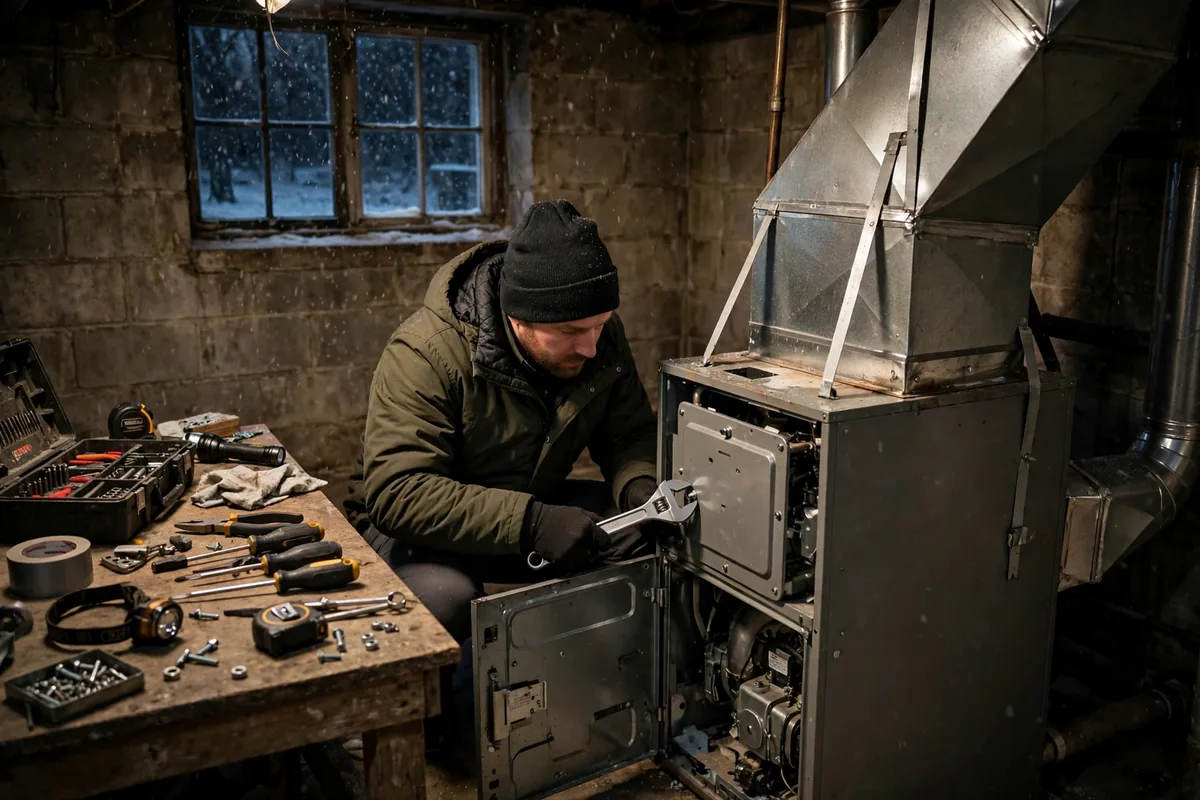
Do these in order before anything else. They cover the faults that stop a furnace most often, and they take only a few minutes. If the furnace restarts at any step, watch it through a full heating cycle before calling the job done.
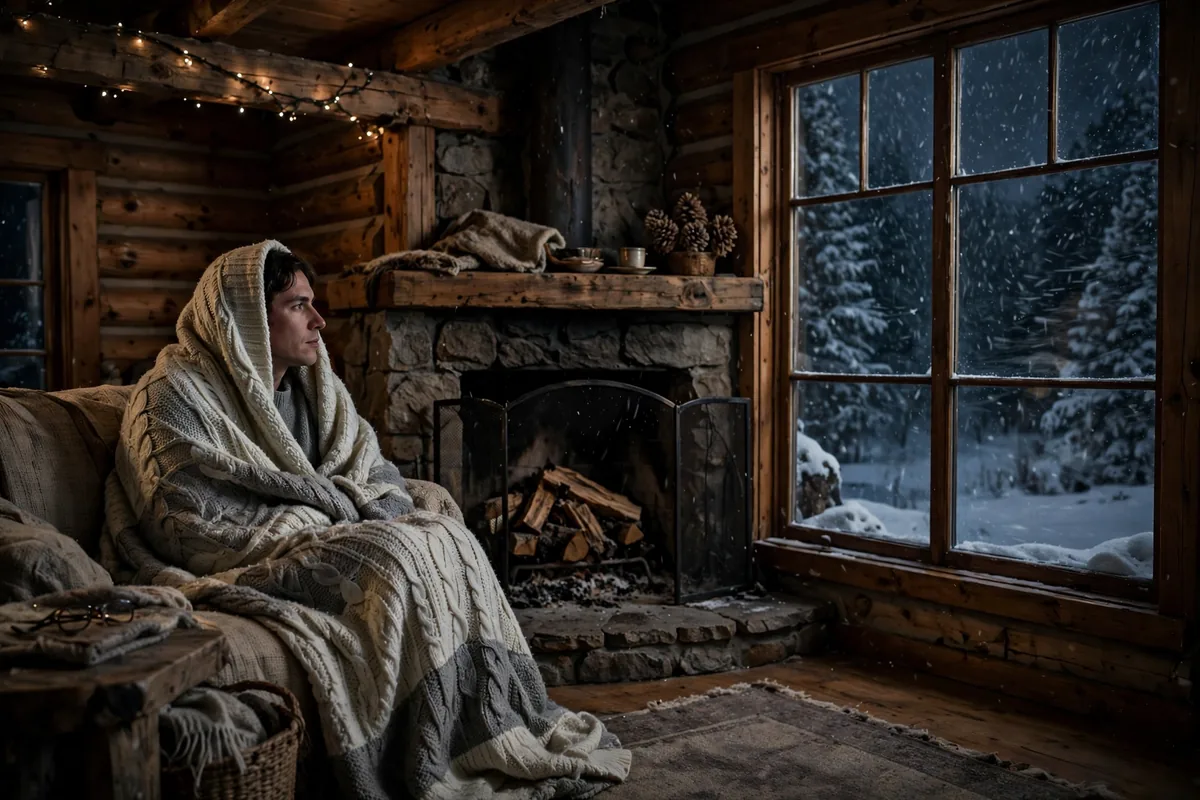
While you wait, close off rooms you do not need and gather everyone, including pets, into the warmest room. Let faucets drip slightly on outside walls if pipes are at risk, open cabinet doors under sinks on those walls, and keep interior doors open so whatever warmth remains can move through the house. These steps buy time, and in a Wyoming cold snap, time is the thing you need most.
Do not use ovens, grills, or unvented heaters as house heat. They can fill a home with carbon monoxide, and a cold house is not worth that risk. Dress in layers, use blankets, and save the cooking appliances for cooking. If the house gets dangerously cold, especially for children, older relatives, or anyone unwell, head to a neighbor, family member, or warming location rather than waiting it out.
No heat tonight in Wyoming? Call Frontier Heating and tell us what the furnace is doing.
Call (307) 309-8601When you call, a few facts speed everything up. Say whether the furnace is silent or trying to start, whether it lights and then stops, and what you already checked. Note any new noise, smell, or flashing light on the unit, and say when the trouble started. A technician who arrives with that picture can bring the likely part first time, which matters when the next call is already waiting.
Clear a path to the furnace, move boxes away from the cabinet, and keep pets in another room. Our emergency furnace repair visits work fastest in a clear space with a clear story, and that preparation is something any homeowner can do while waiting. If you have a second heat source, like a fireplace, use it in one room while the furnace is down, and keep the rest of the house closed off.
After the furnace is running again, ask what failed and why, because that answer decides what to do next. A single clogged filter means a filter habit. A failed ignition part on an old unit may mean planning a replacement before the next storm. A snow-blocked vent means watching that vent after every windy night from now on.
Use the calm after the repair to run through the basics: a fresh filter, clear vents, tested alarms, and a note of the furnace model for the next call. Wyoming winters will test the furnace again, and a house that was prepared once is far easier to prepare twice. The Department of Energy guidance on energy-saving hacks to weather the winter covers the same seasonal habits for cold-climate homes.
It depends on insulation, wind, and outdoor cold, and a tight house holds heat far longer than a drafty one. Pipes on outside walls are usually the first risk, not the whole house at once. Treat any no-heat night in deep cold as urgent, whatever the house type.
Only if heat will be out for a long stretch and you know how to drain safely, or a technician advises it. Draining is a last resort, not a first step. Drips, cabinet doors, and a prompt repair call come first in most cases.
One careful reset is reasonable. Repeated resets can hide a fault and, with gas units, risk repeated failed ignition. If one reset does not hold, stop resetting and call, describing exactly what the unit did each time it tried to start.
The thermostat, filter, and outside vents, in that order. A thermostat knocked to the wrong mode, a clogged filter, or a snow-buried vent each stop heat on their own, and all three are quick checks. After those, check power and fuel before calling.
In deep cold, call at once, because a house cools all night and pipes are at risk by morning. In mild weather with the house still comfortable, a morning call may be fine. Let the outdoor cold and the indoor temperature decide, not the clock.
Let faucets on outside walls drip, open sink cabinets on those walls, and keep heat in the rooms with plumbing. Close off unused rooms so warmth stays where pipes run. If pipes do freeze, do not use an open flame to thaw them.
A space heater can help one room if it is used exactly as instructed, kept away from bedding and curtains, and never left running unattended. It is a bridge to a repair, not a replacement for the furnace, and it must never be a fuel-burning heater indoors.
Keep the warmest room closed, protect pipes, and check in with neighbors or local services for a warming location if the house gets too cold. When help can travel again, a clear description of the fault will move your call to the front of the line.
Often, yes, when the fault is a common part and the technician arrives with a clear description of the symptoms. Some faults need a part that must be ordered, and in that case the visit should leave you with a safe interim plan for heat and pipes.
Call Frontier Heating now if your furnace has stopped in winter weather.
Call (307) 309-8601