Heat Exchanger Services
The metal core that carries heat into the air, inspected closely.
Checked, not assumed
A safety inspection looks at a furnace the way a safety check should: venting, heat exchanger, gas or electrical connections, and alarms, each tested rather than assumed. It is the visit to book when a scare, a smell, an alarm, or a new home makes you want the whole system verified. This page explains what the inspection covers and what its findings mean.
Coverage
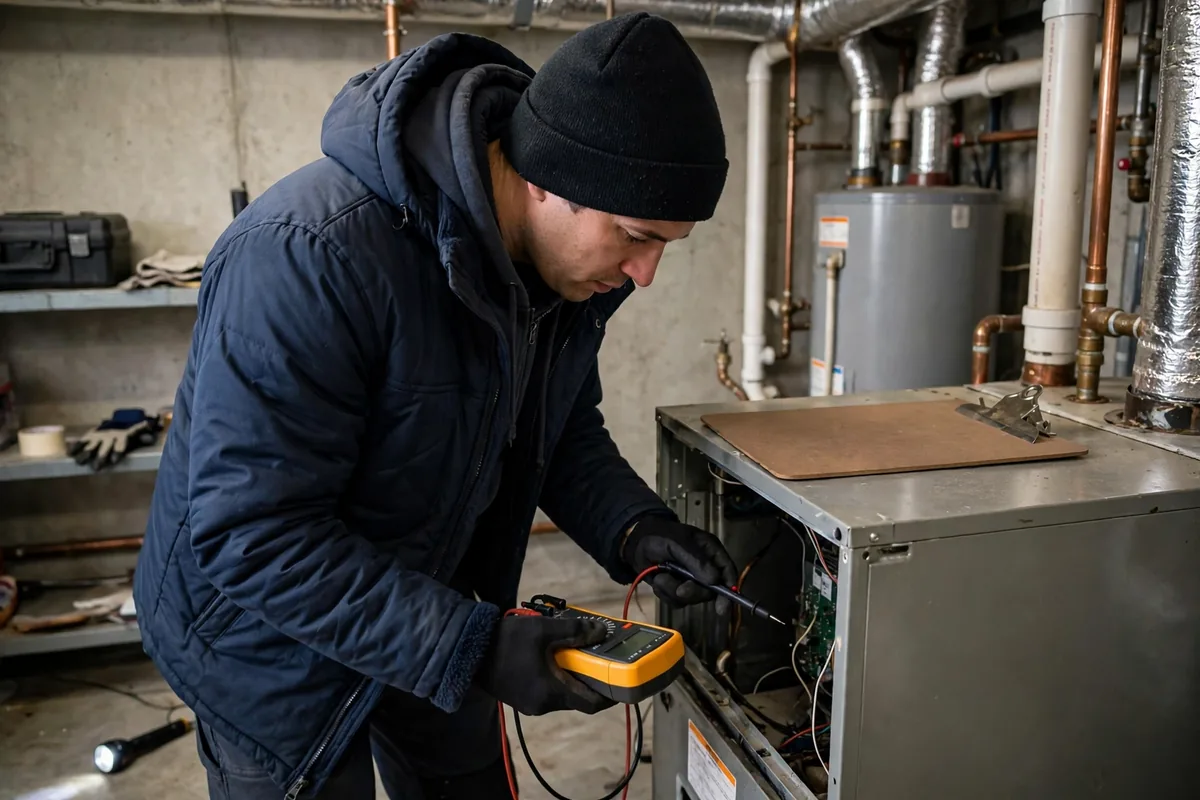
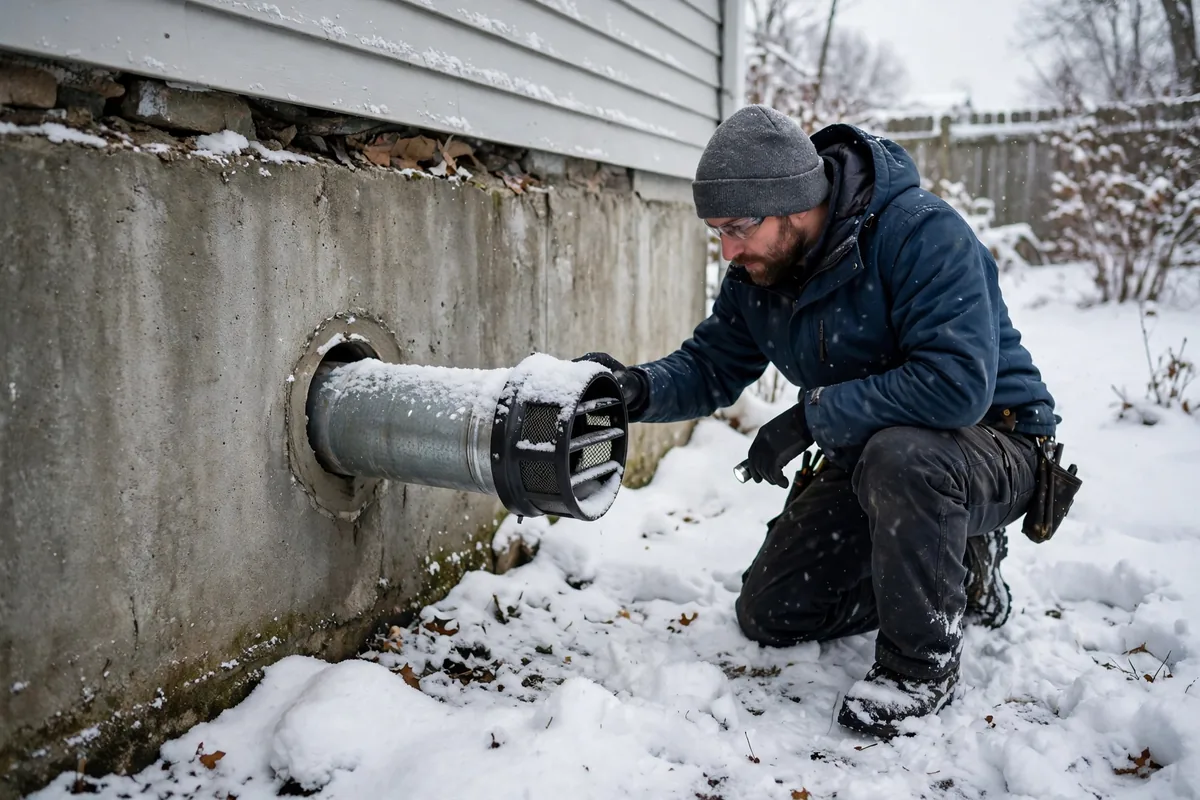
Venting comes first. The vent path is traced from the furnace to the outside, checking for blockage, rust, disconnection, and snow or nest obstruction at the terminal. A vent that cannot carry combustion gases out is the most dangerous single fault a furnace can have, and it is also one of the easiest to miss without a deliberate check.
The heat exchanger gets a close look for cracks and soot marks, gas connections get checked for leaks, and electrical connections get checked for heat damage and looseness. Alarms are tested last: carbon monoxide alarms near sleeping areas and the furnace room must be present, powered, and within their working life. Our heat exchanger services page explains the exchanger check in detail.
Findings
Most findings are minor and fixable on the spot: a vent terminal partly blocked by snow, an alarm with a dead battery, a loose wire, or a filter long past changing. Those are corrected during the visit, and the homeowner is shown what changed and why it mattered.
Serious findings stop the furnace. A cracked exchanger, a disconnected vent, or a confirmed gas leak means the unit stays off until it is fixed or replaced. That news is never softened, and the household gets a plan for heat in the meantime. An inspection that finds nothing serious is still a result worth having, since it replaces worry with evidence.
Had a scare with your furnace? Call Frontier Heating for a full safety inspection.
Call (307) 309-8601When to book
Book one after any carbon monoxide alarm, any gas smell, or any incident where the furnace behaved strangely and nobody knows why. Book one when buying a home with an older furnace, since a pre-purchase look at venting and exchanger condition informs the whole purchase. And book one when a furnace passes a milestone of heavy use without ever having had a dedicated safety check.
Landlords and new homeowners use inspections the same way: as a dated record that the system was checked, not just assumed. The U.S. Environmental Protection Agency explains indoor air safety and alarm placement in its indoor air pages. See EPA indoor air quality guidance for that background.
Difference
A tune-up optimizes a working furnace: cleaning, testing, and adjusting for performance. A safety inspection verifies it: venting, exchanger, connections, and alarms, judged pass or fail. The two overlap, since a tune-up also looks at safety items, but the inspection goes deeper on the safety side and reports findings as safety findings, not as maintenance notes.
Many homeowners book both together, and that pairing works well. Our furnace maintenance and tune-up page describes the performance visit. When time or budget allows only one, and safety is the worry, the inspection is the right choice.
Buying a home with an older furnace? Get its venting and exchanger verified. Call us.
Call (307) 309-8601Afterwards
After the visit, you get a plain-words account of what was checked and what was found: venting condition, exchanger condition, connection condition, and alarm status, each stated clearly. Minor fixes made on the spot are noted, and any serious finding comes with the next step spelled out, whether that is a repair, a part, or a replacement conversation.
Keep that account with the house records. It helps the next technician, informs a buyer, and gives the household a baseline for the next inspection. If nothing was found, the value is quieter but real: a winter entered with evidence rather than hope.
It checks venting from furnace to outside, the heat exchanger for cracks, gas or electrical connections for leaks and damage, and carbon monoxide alarms for presence and working life. Each item is tested, not assumed, and findings are reported in plain words.
A tune-up optimizes a working furnace for performance, while a safety inspection verifies it for safety, judging venting, exchanger, connections, and alarms as pass or fail. The two overlap but answer different questions, and many homeowners book both together. Book the inspection when safety is the question, and the tune-up when performance is the question.
After any carbon monoxide alarm or gas smell, when buying a home with an older furnace, and whenever a furnace has gone years without a dedicated safety check. Those moments are when verification matters most, rather than routine assumption. A furnace that has never had a safety check deserves one before the next heating season starts, not after trouble arrives.
Only if a serious fault is found, such as a cracked heat exchanger, a disconnected vent, or a confirmed gas leak. In that case shutting down is the safe action, and a plan for heat is discussed at once. Most inspections end with the furnace running and minor items fixed.
Yes, since the furnace room, vents, and alarms all need access, and findings are best explained on the spot. The visit takes well under two hours in most homes, and you see the key findings as they are found. Clear access to the furnace room and alarms makes the visit quicker.
Yes. Alarms near sleeping areas and near the furnace room are checked for presence, power, and working life. A dead or aged alarm is flagged and should be replaced, since it is the household warning net for the faults inspection looks for.
Yes. Gas connections are checked during the visit, and any leak found is treated as an emergency: the area is made safe and the leak is addressed at once. If you smell gas before a visit, leave the house and call from outside rather than waiting.
Once a year is the sensible rhythm for fuel-fired furnaces, alongside or as part of maintenance. Older furnaces and ones with a history of venting trouble benefit most from keeping that yearly habit. A dated record of each inspection helps the next technician see what changed.
It includes the checks themselves, and minor items such as a blocked vent terminal are cleared on the spot. Full burner and blower cleaning belongs to a tune-up visit, which pairs well with an inspection when both are due. Full burner and blower cleaning belongs to a tune-up visit instead.
Tell us what prompted the check: an alarm, a smell, a new home, or years without one. We test venting, exchanger, connections, and alarms, and report findings in plain words.
Call (307) 309-8601