Furnace Maintenance and Tune-Up
A yearly once-over that keeps a furnace running clean through winter.
Heat restored fast
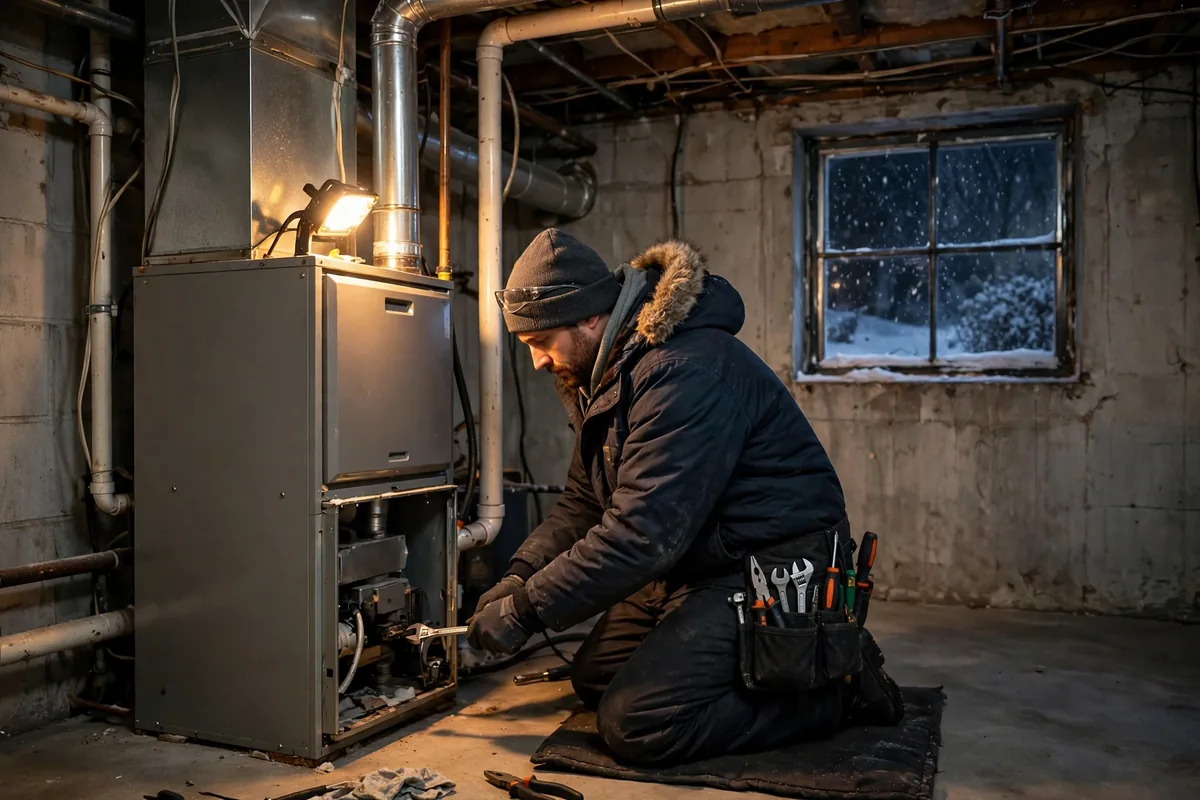
When a furnace quits during a Wyoming cold snap, the house cools down fast and pipes, pets, and sleep all suffer. Our emergency visit focuses on one thing: finding why the heat stopped and getting it running again. Call us and tell us what the furnace is doing, or not doing, and we will talk through what happens next.
First steps
First, check the thermostat. Make sure it is set to heat and set warmer than the room, and that nobody bumped it to off or to fan only. Then look at the furnace switch, which often looks like a light switch near the unit, and check the breaker panel for a tripped breaker. These two checks settle a surprising share of no-heat calls, and they take about a minute.
If the furnace still sits silent, leave it alone and keep the house closed up. Shut doors to unused rooms, keep curtains drawn on cold windows, and run taps at a trickle if the cold is deep. Do not keep resetting the furnace over and over, since repeated resets can flood a gas unit or hide the fault we need to see. Note any blinking light on the furnace panel, and tell us the pattern when you call.
Warning signs
Most furnaces that die on a cold night showed trouble earlier. Short bursts of heat followed by long silences, a burner that lights then drops out, or a blower that hums without moving air all point to a part that is wearing out. A new rattle, a smell of hot dust that never fades, or rooms that never quite reach the thermostat setting are worth a call before the next cold front.
Wyoming wind makes these faults worse. Gusts can disturb venting and pilot flames, and deep cold exposes weak ignitors and tired motors that coped fine in mild weather. When you describe the symptoms, mention the weather and when the trouble started. That detail helps us bring the right parts and spend less time hunting once we are in the furnace room.
Heat out in Wyoming cold? Call Frontier Heating and tell us what your furnace is doing.
Call (307) 309-8601On the visit
We start at the thermostat and work toward the furnace, testing each link in the chain. Thermostat signal, power supply, ignitor or pilot, gas valve, flame sensor, blower motor, and safety switches each get checked in turn. That order matters, because the first failed link often explains everything after it, and swapping parts at random only adds confusion.
Once we find the fault, we explain it in plain words and fix what can be fixed on the spot. Some failures need a part we do not carry, and in that case we tell you exactly what is needed and what the furnace can and cannot do until it arrives. We never leave a gas furnace running with a safety switch bypassed, and we test the unit through a full heating cycle before we pack up.
Honest limits
A cracked heat exchanger, a motor that has burned out twice, or a furnace that has needed major work three winters running may not be worth another emergency patch. In that case we say so plainly, and we talk about what a replacement visit looks like instead of stacking repairs on a unit that keeps failing. You still get heat advice for the night, such as closing off rooms and protecting pipes, so the house stays safe while you decide.
Our furnace replacement service covers that next step, and our furnace safety inspection is the right follow-up when a scare makes you want the whole system checked. Emergency work is about the night in front of you, and we keep it honest about what the morning should bring.
A furnace that keeps cutting out needs a look before the next cold night. Call us.
Call (307) 309-8601Staying ready
A clean filter is the cheapest insurance a furnace has. A clogged filter starves the blower, overheats the heat exchanger, and trips safety switches that shut the whole unit down. Check the filter monthly through winter, and keep the area around the furnace clear so air can reach it and a technician can reach every panel without moving stored boxes first.
Once a year, a furnace maintenance and tune-up visit catches the parts that fail in cold weather: weak ignitors, dirty flame sensors, tired capacitors, and loose wiring. The U.S. Department of Energy notes that regular upkeep keeps heating equipment running as intended, and its energy saver pages describe what a tune-up covers. See energy.gov energy saver guidance for the basics. That visit will not stop every breakdown, but it moves most of them from a cold night to a planned afternoon.
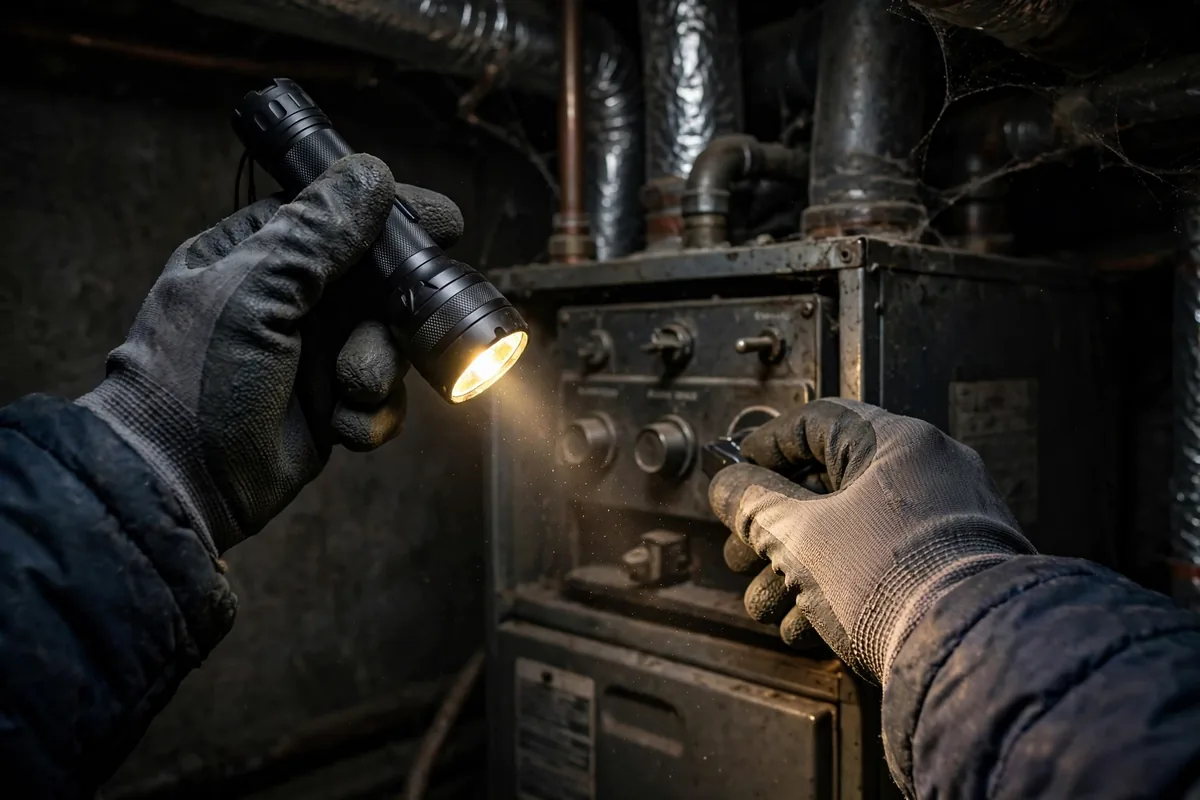
Cold exposes weak parts that coped in mild weather. Ignitors crack, flame sensors foul, and motors strain when the furnace runs long cycles in deep cold. Wind can also disturb venting. A part that was marginal in autumn often fails outright during the first long cold stretch, which is why breakdowns cluster on cold nights.
No. Reset once, and if it fails again, leave it off and call. Repeated resets can flood a gas furnace with unburned fuel, and they can mask the fault pattern a technician reads from the control board. Note any blinking light on the panel instead, since that pattern points straight at the failed part.
Say whether the furnace is silent or running, whether air from the vents is cold or warm, and whether you smell gas or hear a new noise. Mention the thermostat setting and any blinking light on the furnace. Those details help the technician bring the right parts and shorten the visit.
No heat in cold weather counts, and so does a gas smell, a carbon monoxide alarm, or a furnace that keeps tripping its safety switches. A furnace that runs but heats weakly is urgent in deep cold too, since the house can cool fast overnight. If you are unsure, call and describe what is happening, and we will help you judge it.
Timing depends on where you are in Wyoming and on road conditions during a storm. When you call, we talk through what is happening, what you can check safely, and how to keep the house as warm as possible until we arrive. We never promise an arrival time we cannot keep.
Space heaters can help in one closed room, but keep them clear of curtains, bedding, and furniture, and never leave one running unattended or overnight. Do not use an oven or a grill for heat. If a carbon monoxide alarm sounds, leave the house and call for help from outside.
In deep cold it can become one, because the house loses heat while the furnace runs without heating. Check the thermostat setting and the filter first, then call. A failed ignitor, a gas supply problem, or a control fault can all cause cold air, and each needs a different fix.
We tell you plainly what part is needed and what the furnace can and cannot do until it arrives. We make the unit safe, explain how to protect pipes and rooms in the meantime, and arrange the return visit to fit the part. No temporary bypass of a safety control is ever left in place.
Yes, and many are. But when the same major part fails again, or when repairs keep coming every winter, a replacement may serve the house better. We lay out both paths in plain words so you can decide with the full picture, not under pressure in a cold house.
Tell us what your furnace is doing, or not doing, and we will talk through the next step. Keep the house closed up, check the thermostat and breaker if you can do so safely, and leave the furnace alone until we arrive.
Call (307) 309-8601