Emergency Furnace Repair
When the heat stops on a cold night, a technician tracks down the fault and gets the system running again.
Frontier Heating
When winter settles over Wyoming, a working furnace is not a comfort, it is a necessity. Frontier Heating looks after furnaces across the whole state, from city homes to rural cabins, so families and businesses can stay warm through the longest cold stretches of the year.
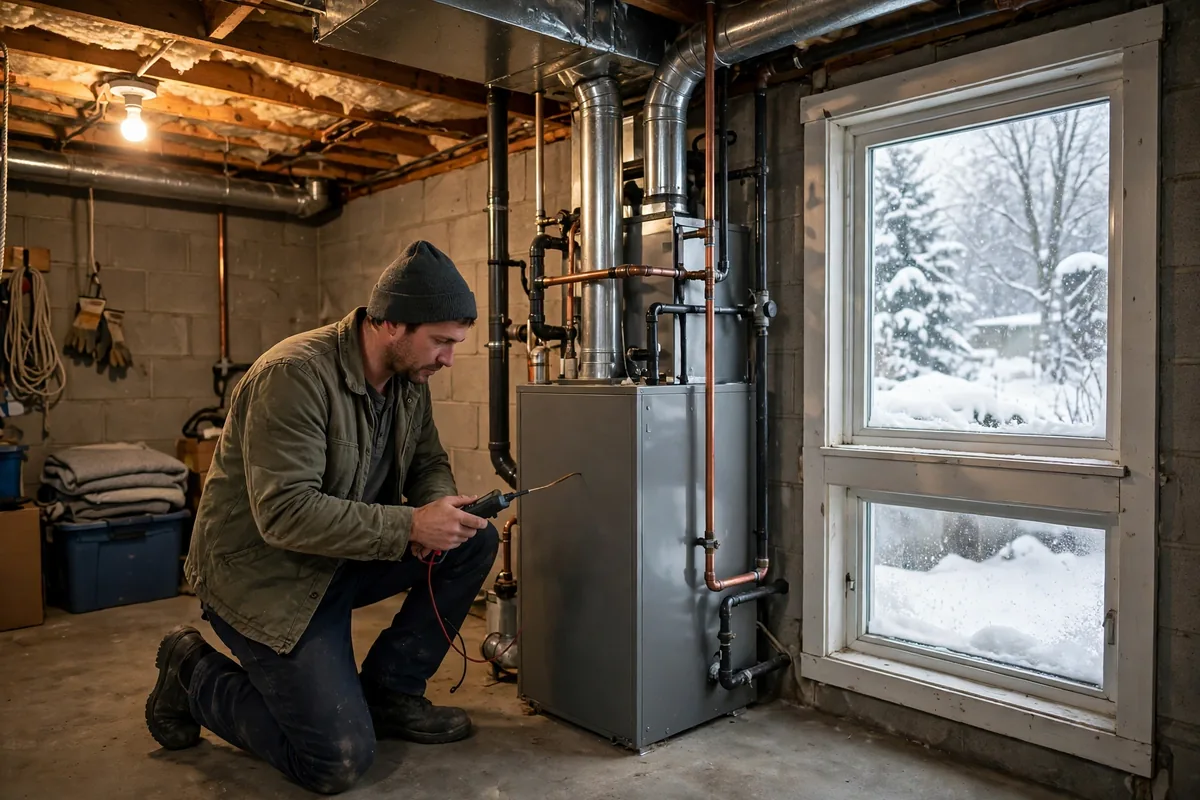
We focus on furnaces and the heating systems around them, nothing else.
From Cheyenne to Cody, Jackson to Gillette, we cover Wyoming homes and businesses.
We work on all three furnace fuels, including homes beyond the gas main.
Houses, shops, offices, and work buildings all get the same careful attention.
Our services
A furnace is a simple idea with a lot of parts behind it: a burner or heating element, a blower that moves the air, controls that decide when to run, and ducts that carry the warmth where it belongs. When any one of those parts falters, the whole house feels it, sometimes as a cold room, sometimes as a strange noise, sometimes as a furnace that stops altogether.
We handle the full range of furnace work, from urgent repairs on a winter night to a planned replacement when an old unit has reached the end of its useful life. Every job starts with finding the real cause, not just quieting the symptom, because a repair that masks a fault will bring you back to the same cold house a few weeks later.
Browse the services below to see what each one involves. If you are not sure which one fits your situation, call us and describe what your furnace is doing. We will talk it through with you in plain language and help you decide on the next step.
Services
When the heat stops on a cold night, a technician tracks down the fault and gets the system running again.
A new furnace, sized for the rooms it has to warm and set up to run through Wyoming winters.
When an old unit keeps breaking down, a replacement brings steady heat and fewer winter worries.
A seasonal checkover that cleans, tests, and tunes the parts that wear out first.
Care for gas fired systems, from burners and ignition to venting and safe operation.
Help for electric systems, including heating elements, sequencers, and wiring checks.
Service for homes that run on propane, where tank supply and line pressure matter as much as the furnace.
When air stops moving or the fan sounds wrong, the blower motor and its controls get a close look.
Inspection and care for the part that keeps combustion gases out of your living space.
Wiring, placement, and programming help so the thermostat and the furnace agree with each other.
Leaks, blockages, and cold rooms traced through the ducts that carry warm air around the house.
A careful safety pass over burners, venting, and controls, with carbon monoxide checks included.
Furnaces built for manufactured homes need their own parts and duct setups, and we work on those.
Heating help for shops, offices, and work buildings that cannot afford a cold workday.
Controls and zoning that let different parts of a building hold different temperatures.
Heat trouble in a Wyoming winter? Call Frontier Heating and tell us what your furnace is doing.
Call (307) 309-8601Wyoming winters
Wyoming is a high state, and height changes how a house heats. Thin air, strong wind, and long stretches of deep cold mean a furnace here does not get an easy season. It runs for months at a time, often through the night, and it has to recover quickly when a door opens to a blast of wind or when temperatures fall after sunset.
Wind is the other half of the story. A house on the open plains or on a ridge takes a steady beating from wind that finds every gap around doors, windows, and duct joints. That is why two houses with the same furnace can feel very different on the same night: the one with tight ducts and a well tuned system holds its heat, while the other one struggles to keep up.
Out in rural Wyoming, propane is the fuel of choice for many homes, because no gas main reaches them. A propane furnace needs its tank, regulator, and lines looked after just as carefully as the furnace itself, and running low in a cold snap is a problem nobody wants. We treat the fuel supply as part of the heating system, not as someone else's concern.
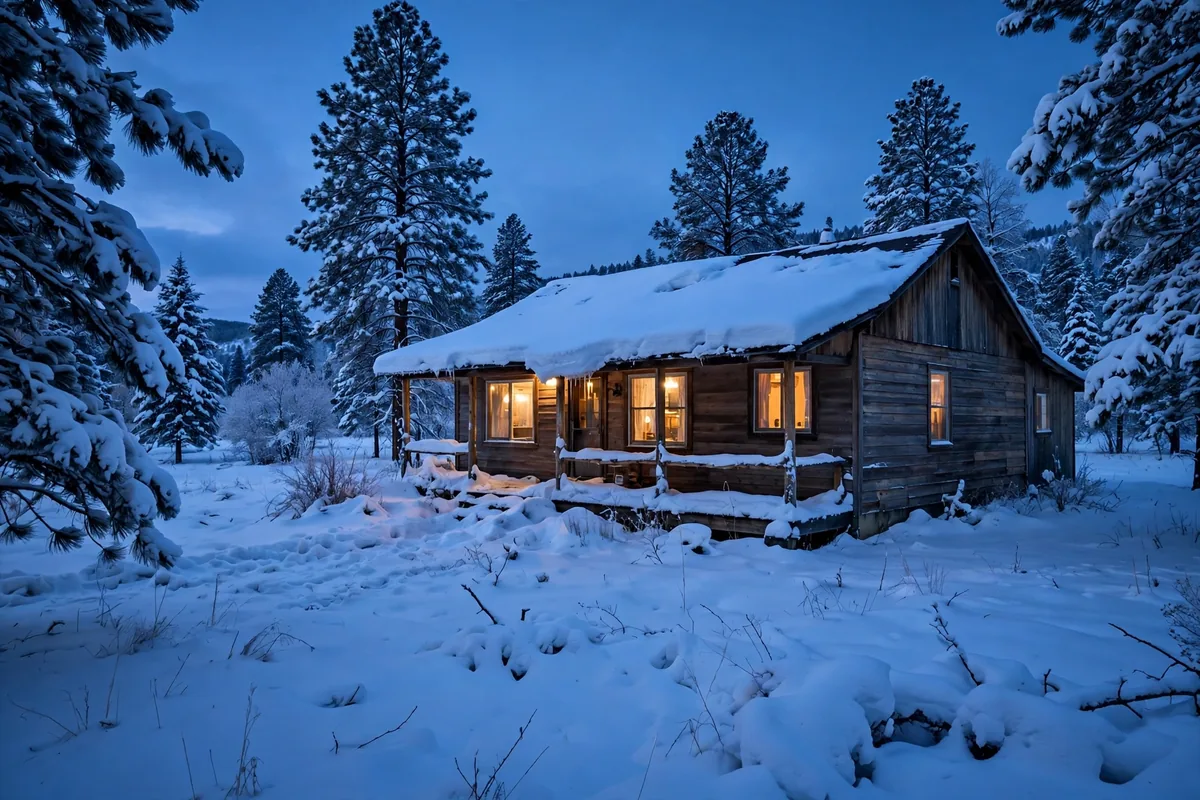
Manufactured homes and cabins add their own wrinkles. Manufactured homes use compact furnaces and ductwork that runs beneath the floor, where cold air and critters can do damage. Cabins often sit empty for weeks, then need to warm up fast when their owners arrive on a Friday night in January. Both need a technician who has seen those setups before and knows what to check first.
All of this is why we take a whole system view. A furnace that short cycles might have a thermostat problem, a duct problem, or a sizing problem, and each one calls for a different fix. We look at the furnace, the controls, and the air path together, so the repair actually solves the cold room or the high bill that brought us out in the first place.
The US Department of Energy publishes plain guidance on furnaces and heating systems at energy.gov/energysaver, and it is a useful second opinion alongside anything on this page.
Not sure what is wrong with your furnace? A short call usually narrows it down fast.
Call (307) 309-8601How we work
Every visit follows the same straightforward order, so you always know what is happening and why. There are no surprises, and no step gets skipped because a job looks simple at first glance.
Service areas
We cover the whole state, and these are some of the towns where we work most often. Every town has its own page with local details, and the full list lives on our locations page.
The capital city, where older brick homes and new builds on the plains both lean hard on their furnaces.
A working oil and gas town on the North Platte, with cold snaps that test every heating system.
High on the plains near the university, where wind and altitude make steady heat a daily need.
Coal country homes that face long winters and wide open wind across the Powder River Basin.
A high desert town where winter nights bite and furnaces run long hours.
Ranch town homes at the foot of the Bighorns, where winter arrives early and stays late.
A river town in the southwest corner, with cold desert nights and older housing stock.
Near the Utah line, where mountain winter and railroad town homes keep furnaces busy.
A mountain resort town where deep snow and high altitude demand reliable heat.
A Wind River Basin town with cold, dry winters and homes spread across open ground.
Gateway town to Yellowstone, where winter wind off the mountains finds every draft.
A high plains railroad town where wind chill and long cold stretches are normal winter fare.
From the blog
Odd noises, cold rooms, and short cycles often show up weeks before a furnace stops outright. Learn which signs mean a call soon, and which mean a call now.
A dead furnace in January is a different problem than one in October. Here is the calm order of steps to take while you wait for help.
A short seasonal routine, filters to flame checks, that keeps a Wyoming furnace ready for the hardest months.
Answers
We work statewide. Our base is in Cheyenne, and we travel to homes and businesses across Wyoming, from larger towns like Casper and Laramie to smaller communities and rural properties.
We work on gas, electric, and propane furnaces, including the systems found in manufactured homes and cabins. If your home heats with a furnace, it falls within the work we do.
Check the thermostat setting and the breaker or power switch, and make sure vents and returns are not blocked. If the furnace still will not run, call us and describe what you see and hear so we can plan the visit.
Yes. We help shops, offices, and other work buildings as well as houses. A cold workplace is hard on staff and customers, so commercial heating calls get the same attention as home calls.
Wyoming winters are longer, colder, and windier than in most states, and many homes sit at high elevation or far from a gas main. Furnaces here run harder and longer, which is why regular care and the right fuel setup matter so much.
It helps to know whether your furnace runs on gas, electricity, or propane, what it is doing or not doing, and whether any warning lights or odd smells are present. Anything you can describe helps us come prepared.
If your furnace is acting up, or if it has not had attention in a while, call Frontier Heating. Tell us what is happening, and we will take it from there.