01
Emergency Furnace Repair
A Rock Springs emergency call on a desert cold night starts with ignition, venting, and filter condition, since dust and drifts cause more failures than broken boards.
Trona town heat
Rock Springs sits in the high desert of southwest Wyoming, a trona-mining and energy town where winter cold is dry, wind is steady, and nights are long. Homes here range from company-built houses nearly a century old to newer streets climbing White Mountain, and furnaces in both have to hold through desert cold that drops fast after sunset.
The trouble we see most in Rock Springs is uneven heat: a house that warms near the furnace and stays cold at the far end, or a furnace that runs constantly without catching up on windy nights. Those patterns usually point to ductwork, airflow, or a worn part, and we trace the symptom to the cause before we recommend any work.
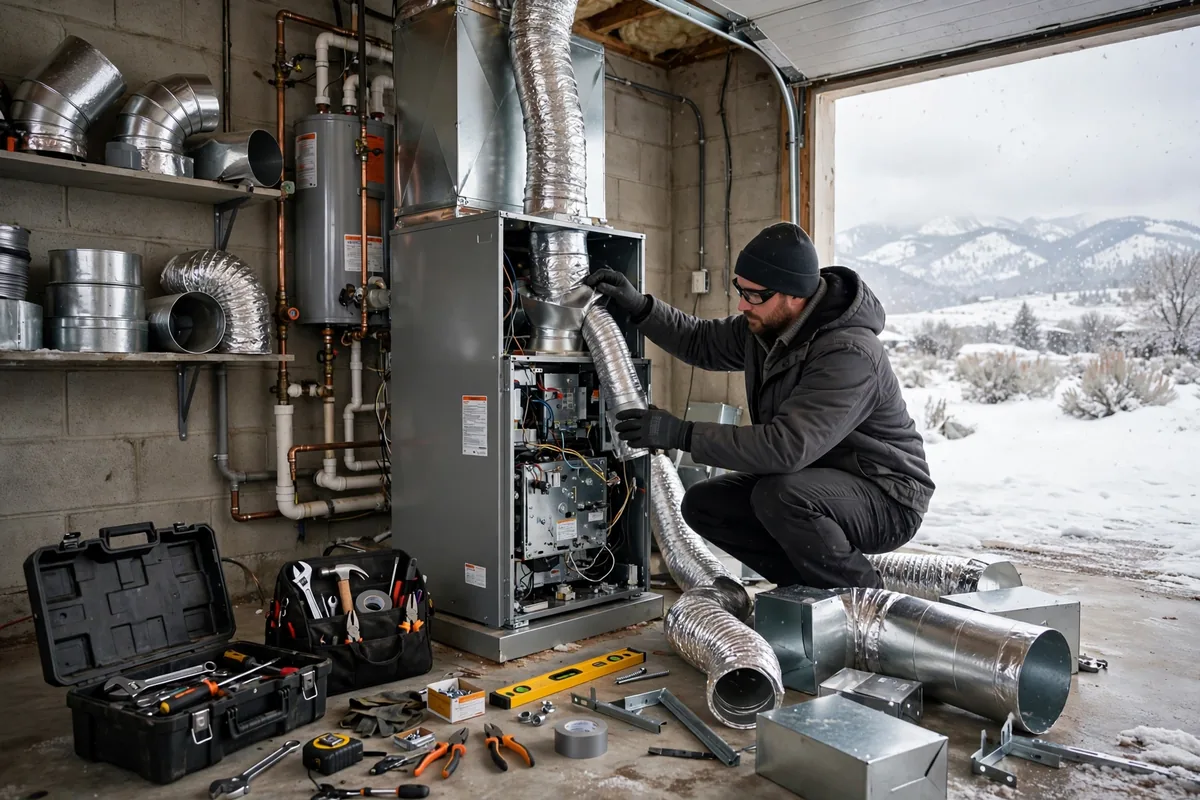
Rock Springs areas
Downtown Rock Springs and the historic district hold the oldest homes, College Hill sits near the community college with a mix of family streets, and the White Mountain side holds newer subdivisions with views and wind exposure. Clearview Acres and the north and south sides fill in the rest, each with its own mix of house ages and furnace types.
Reliance and other nearby communities share Rock Springs weather and housing patterns, with many homes on larger lots. When you call, naming your area helps us understand the likely house age and furnace style before we arrive, which means a faster diagnosis and the right parts on the truck.
We serve Rock Springs and nearby Sweetwater County communities, including these areas.
Downtown Historic DistrictCollege HillWhite MountainWardell CourtClearview AcresBlairtownNorth Rock SpringsSouth Rock SpringsPilot Butte areaReliance
Rock Springs ZIP codes we cover: 82901, 82902, 82942.
Rock Springs desert
Rock Springs sits at about 6,388 feet in high desert, where thin, dry air cools fast after dark and winter wind pushes through gaps in older homes. A furnace here runs long hours against that combination, and dust from desert wind clogs filters faster than in a sheltered town, which chokes airflow and can trip a furnace on overheating. Filter checks matter more here than most owners expect.
Desert snow brings its own trouble: drifting snow can block sidewall vents on high-efficiency furnaces, and a furnace that locks out after a storm often has a vent problem rather than a broken part. If your Rock Springs furnace stopped after snow, check the outside pipes for drifts before you assume a major failure, and call us if clearing them does not restore steady heat.
Rock Springs furnace running nonstop or blowing lukewarm? Call us with the symptom.
Call (307) 309-8601Rock Springs seasons
Rock Springs winter is the furnace test: dry cold, wind, and long nights that expose weak igniters, dirty sensors, and clogged filters. Fall is the time to prepare, with a tune-up that cleans the burner and checks the blower before the desert cold settles in. A furnace that passes a fall check is far less likely to fail on a January night.
Spring brings dust and wind that load filters quickly, and summer is the season for planned replacements and duct sealing, when work can proceed without cold pressure. The United States Department of Energy home heating guidance at energy.gov covers filter care and furnace basics, and those same checks anchor our Rock Springs visits.
Rock Springs homes
Rock Springs housing tells the town story. Wardell Court holds planned company homes from the 1920s, downtown holds historic houses and apartments, and College Hill and White Mountain hold newer family streets. The older homes often have basements and ductwork added over decades, while newer homes are tighter but sit higher and more exposed to wind.
Trona and energy work shapes household schedules here too, with shift workers and long commutes, so a furnace that heats on a standard daytime program can leave bedrooms cold in the morning. We ask about the household schedule on Rock Springs visits, since a thermostat set around real hours warms the right rooms at the right times.
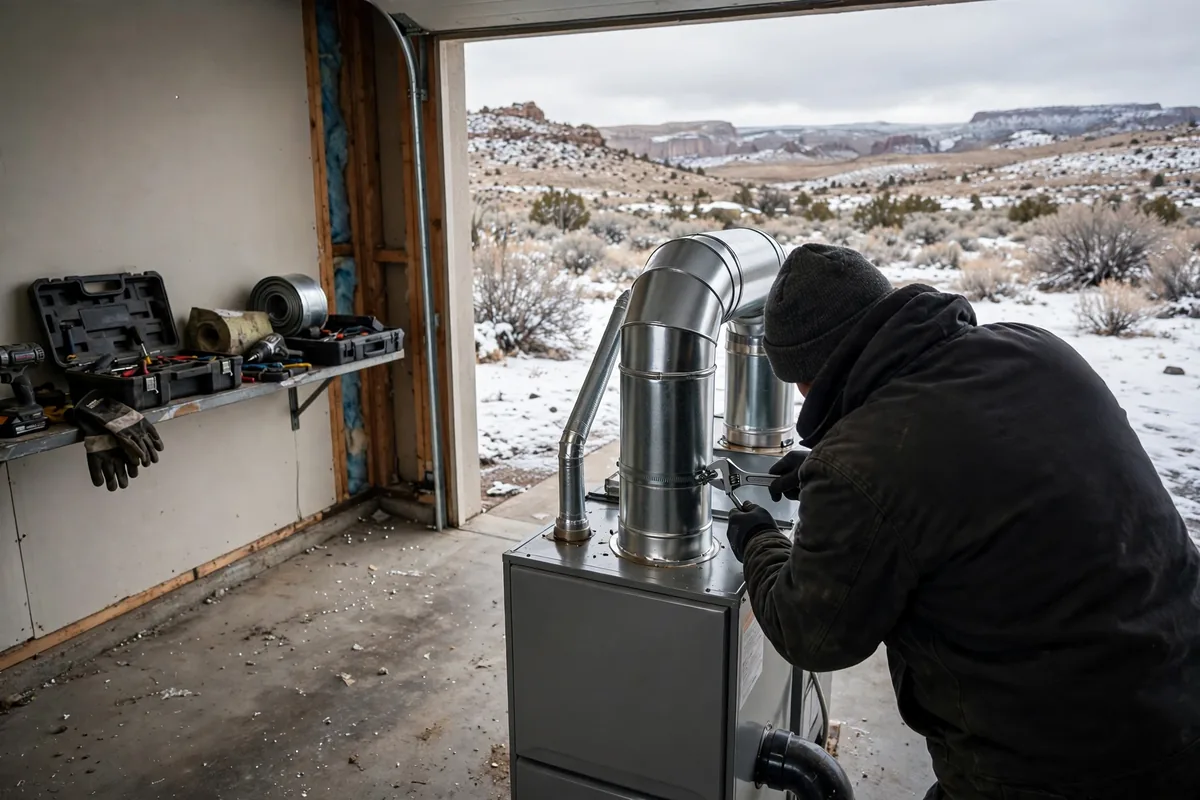
Rock Springs landmarks
Rock Springs landmarks are easy anchors: Expedition Island Park sits where the river bends, the Rock Springs Historical Museum stands downtown, and Pilot Butte rises as a local high point, with White Mountain petroglyphs nearby and Interstate 80 running through town. The airport sits to the east, and Green River lies a short drive west, so most addresses fall along the interstate corridor.
Those landmarks help us place a home: downtown and island-area homes tend to be older, College Hill homes sit near the college, and White Mountain homes sit higher and windier. A landmark near your address gives us a useful head start on the visit.
Three Rock Springs landmarks anchor our visits: Expedition Island Park, the Rock Springs Historical Museum downtown, and Pilot Butte. Most Rock Springs furnace calls fall near one of them.
Furnace help
Rock Springs needs desert-tough furnace work, and each line below is written for high-desert homes and shift households.
01
A Rock Springs emergency call on a desert cold night starts with ignition, venting, and filter condition, since dust and drifts cause more failures than broken boards.
02
Installing a furnace in a Rock Springs home means sizing ducts for far rooms, because desert wind steals heat from the windward side first.
03
When a Rock Springs furnace keeps failing each winter, replacement with a unit matched to the house and its ducts ends the yearly patch cycle.
04
A Rock Springs tune-up cleans desert dust from burners and sensors and checks the blower before the long cold season begins.
05
Gas furnaces heat most of Rock Springs, and dry desert air plus wind make venting checks and filter changes the top priorities on them.
06
Rock Springs hillside apartment electric furnaces work hardest in shaded units, and a burned element there shows up as one cold apartment in an otherwise warm building.
07
Homes outside Rock Springs on propane face desert cold and long supply runs, so tank level and regulator health get checked first on rural calls.
08
Rock Springs blower motors wear from long desert-winter runs, and a noisy blower earns a filter and duct check alongside any motor work.
09
Rock Springs desert dust plus high-altitude burning can soot an exchanger in a few seasons, and a yearly cleaning keeps the metal transferring heat the way it should.
10
Rock Springs hillside thermostats in sunny living rooms overheat their reading while shaded bedrooms stay cold, and a remote sensor in the cold room balances the pair.
11
Rock Springs older duct runs climb hillside walls, and a disconnected joint inside a wall cavity heats the wall, not the room.
12
A Rock Springs safety inspection puts venting and combustion first, since desert wind and drifting snow can block a flue that worked in summer.
13
Rock Springs manufactured homes on hillsides settle unevenly over time, and a tilted furnace cabinet can pinch a duct run shut on one side.
14
Rock Springs mining supply houses and medical offices keep odd hours, so their commercial furnaces get programmable controls tied to shift starts, not to a nine-to-five clock.
15
Zone controls help a Rock Springs house with a windy side and a sheltered side, by sending heat to the rooms losing it fastest.
Local answers
Desert cold drops fast after sunset and wind strips heat from the house all night, so long runs are normal in Rock Springs winter. Runs become a problem when rooms never reach the thermostat setting, air from vents feels lukewarm, or the furnace cycles on and off in short bursts. Those signs point to airflow, duct, or burner trouble worth checking.
Desert dust loads filters faster here than in many towns, so checking monthly in winter is wise, and changing whenever the filter looks gray and clogged is the right rule. A clogged filter chokes airflow, overheats the furnace, and can trip safety switches. Homes near unpaved roads or construction may need changes even more often.
Check the sidewall vent pipes for snow drifts or ice, and clear them gently if they are blocked. A blocked vent trips a safety switch and locks the furnace out. If clearing the pipes does not restore heat, or the unit locks out again, call us, since repeated lockouts point to venting, pressure-switch, or ignition trouble that needs a technician.
Long duct runs lose heat along the way, and the far bedroom gets what is left. Older Rock Springs homes with ducts added over decades suffer most. We check damper settings, duct leaks, and airflow at the register, since balancing the system usually warms the far room better than raising the thermostat for the whole house.
Yes. A household with night-shift workers needs bedrooms warm in the morning, not just in the evening. A standard daytime thermostat program leaves those rooms cold at the wrong hour. Zoning or a schedule built around the household hours fixes this without heating empty rooms all day.
Fall is best for tune-ups and planned replacements, before desert cold and wind settle in. Emergency work happens all winter, but a fall visit that cleans burners and replaces a tired capacitor can prevent the January call that hits when the whole town is cold.
Tell us your area, whether your filter is clean, and what the furnace is doing. We will walk through the safe checks and arrange a visit.
Call (307) 309-8601 Contact Frontier Heating