Gas Furnace Services
Burners, valves, and vents on gas-fired furnaces, checked and repaired.
Tank-fed heat
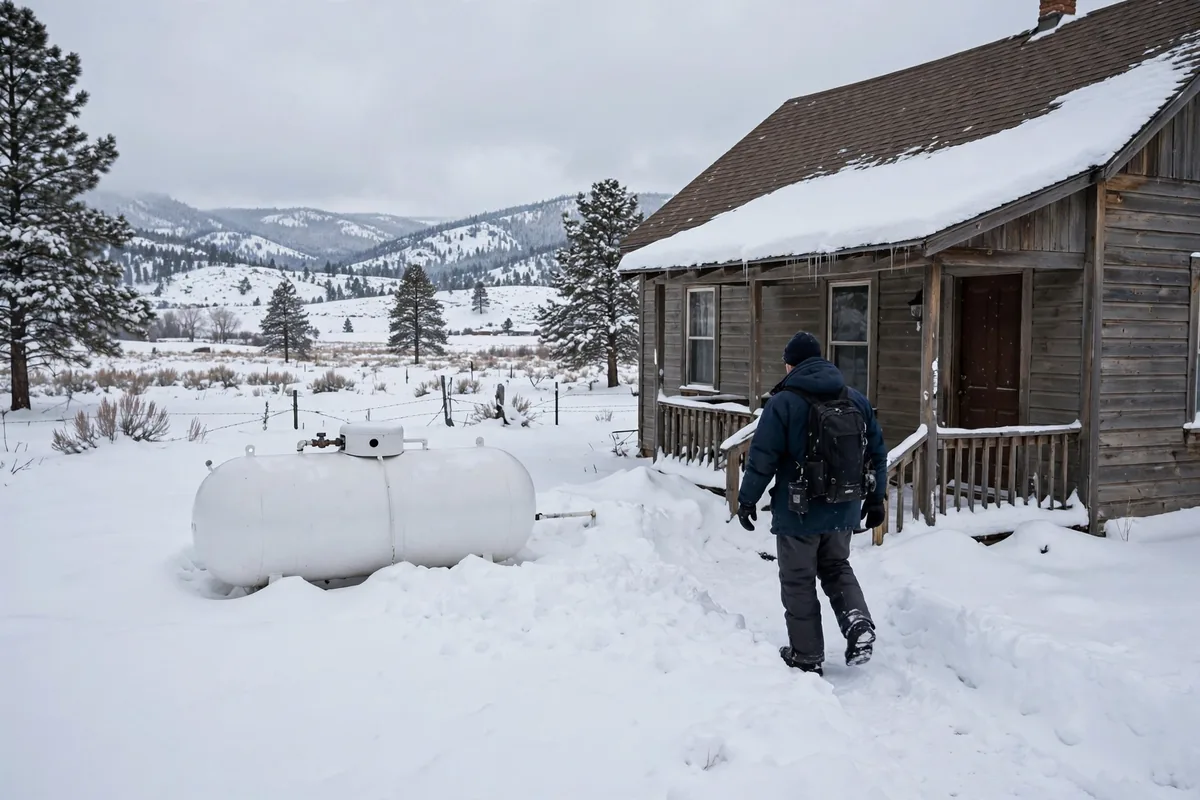
Beyond the gas mains, Wyoming homes heat with propane from a tank in the yard. The furnace itself works much like a gas furnace, but the fuel side is different: a tank, a regulator, and a supply line that must all cope with cold, snow, and distance. This page explains propane furnace care, its common faults, and the habits that keep a rural home warm.
The fuel side
Propane reaches the furnace as a liquid in the tank and a vapor in the line, and cold changes that balance. In deep cold, a low tank vaporizes slowly, and a regulator struggling with frost or age can starve the burner. The furnace then lights weakly, short-cycles, or locks out, even though the furnace itself is sound. Checking the tank level first saves many wasted furnace calls.
The regulator deserves attention of its own. It steps tank pressure down to what the burner needs, and a regulator that sticks or ices up delivers uneven pressure. The supply line matters too: long runs, buried sections, and joints all need checking when pressure looks wrong. We test pressure at the furnace, not just at the tank, because the reading at the burner is the one that decides whether the flame holds.
Furnace faults
Not every propane failure is a fuel failure. A dirty flame sensor, a weak ignitor, and a burner fouled with soot cause the same symptoms as low pressure: lighting then dying, weak heat, or no heat at all. Telling fuel trouble from furnace trouble starts with the flame itself. A strong blue flame that dies points at the sensor, while a weak or lifting flame points at supply.
Our gas furnace services page describes burner diagnosis in detail, and the same sequence applies here once fuel pressure is confirmed. The difference is order: on a propane home, fuel comes first in the checklist, because a tank or regulator fault is the most common cause and the easiest to confirm.
Propane furnace starving in the cold? Call Frontier Heating and check the tank first.
Call (307) 309-8601Winter habits
Watch the tank gauge through winter, and arrange refills before the level gets low, since a low tank in deep cold vaporizes poorly and the furnace suffers first. Keep the tank area clear of deep snow drifts so the tank and regulator stay accessible, and keep the furnace room clear so air and access are never a problem.
A yearly maintenance and tune-up visit before winter covers burner cleaning, ignition testing, and pressure checks. The U.S. Department of Energy publishes heating guidance that covers fuel-fired furnaces generally, and its energy saver pages are worth reading before winter. See energy.gov energy saver guidance for that background.
Safety
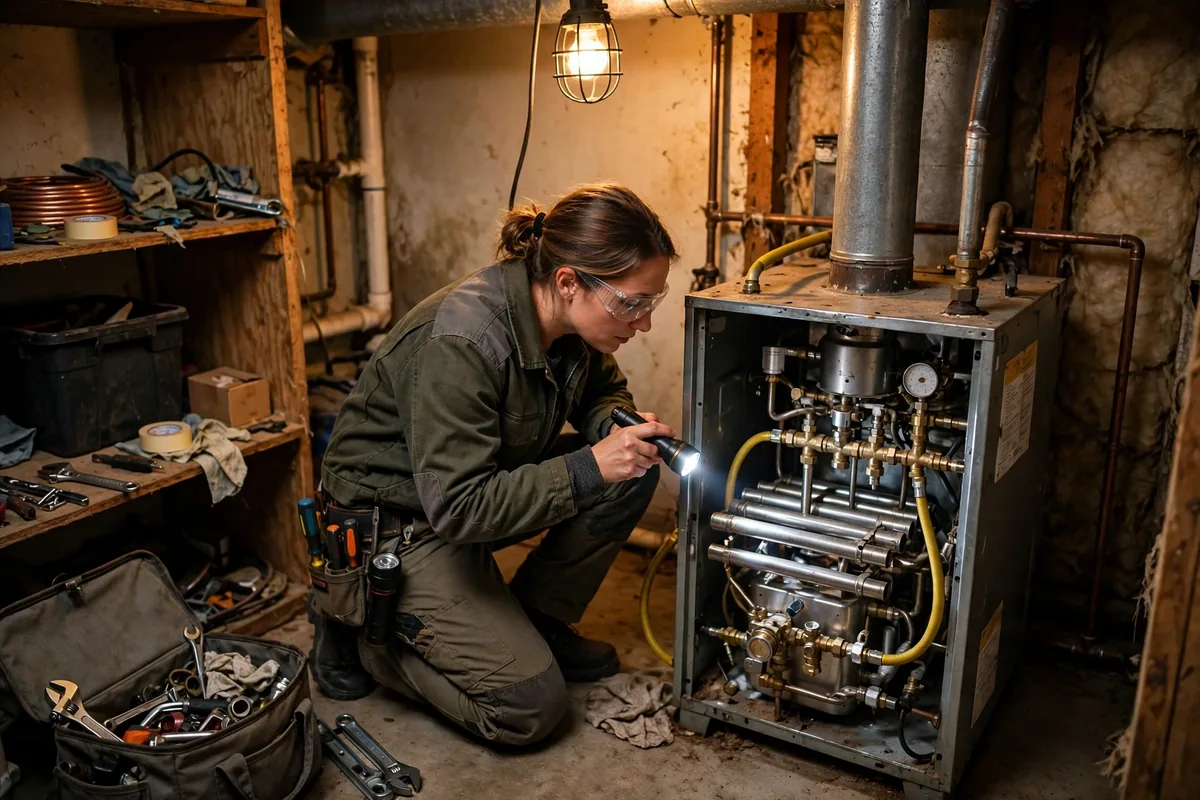
Propane smells like rotten eggs by design, and the smell is a warning, not a nuisance. If you smell it strongly, leave the house without switching anything on or off, and call for help from outside. Do not try to trace a propane leak yourself, and do not relight a furnace that has shut down on a gas fault until it has been checked.
Carbon monoxide alarms belong near sleeping areas and near the furnace room, tested monthly and replaced at the end of their working life. A furnace safety inspection checks venting and the heat exchanger, which are the furnace faults most tied to carbon monoxide risk. Propane heat is safe heat when the tank, regulator, burner, and vent are all in good order, and the inspection confirms each one.
Propane odor around the house? Move everyone outside first, then call from clear of the building.
Call (307) 309-8601Fitting
Propane fits homes beyond the gas mains, rural properties, and cabins where a tank is already in place. It heats quickly in deep cold, works with standard ductwork, and needs no electrical upgrade the way a large electric furnace might. For a home that already has a tank and a line, staying with propane is usually the straightforward path.
Homes on a gas main may prefer natural gas, and homes with strong electrical capacity may suit electric heat. Our manufactured home furnace services page covers propane in smaller homes, where tank-fed furnaces are common. The fuel follows the property, and we fit the furnace to the fuel the property already uses.
A low tank vaporizes slowly in cold weather, so the burner gets too little fuel and the flame weakens or dies. The furnace may short-cycle or lock out even though nothing inside it has failed. Keeping the tank above a low level through winter avoids the most common propane fault.
The regulator steps high tank pressure down to the steady low pressure the burner needs. A regulator that sticks, ices up, or wears out delivers uneven pressure, which shows up as a weak flame, short cycling, or a furnace that will not stay lit. Pressure is tested at the furnace to confirm it.
Yes. Deep drifts bury the regulator and valves, hide leaks, and block access for refills and checks. Keep the tank top, regulator, and the path to them clear through winter, and keep the furnace room clear inside as well. Clear the regulator vent too, since a blocked vent upsets pressure.
Check the gauge first. A low tank in cold weather is the most common cause of weak propane heat. If the tank is well filled and the furnace still lights then dies, the fault is more likely inside the furnace: sensor, ignitor, or burner. Pressure testing at the furnace settles it.
No. An empty tank means no fuel, and the furnace will lock out. Running a tank completely dry can also draw debris into the line, so refills should happen before the gauge gets very low. Arrange a refill as soon as the level starts to drop in winter.
Yes, when the tank, regulator, line, burner, and vent are maintained. The risks are the same as any fuel-fired heat: leaks and poor combustion. Alarms, yearly checks, and prompt action on any propane smell keep those risks low. Yearly checks catch small faults before they become risks.
Cold affects the fuel side more. Natural gas arrives by main at steady pressure, while propane must vaporize in the tank, and that slows in deep cold, especially when the tank is low. The furnace itself copes with cold the same way, but the tank needs watching.
Regulators wear with age and weather, and a failing one shows up as uneven flame or short cycling. There is no single calendar rule, so it is checked during maintenance visits and replaced when pressure tests show it no longer holds steady. Never adjust a regulator yourself.
Stop resetting it and call. Repeated lockouts mean the furnace is failing to prove flame or hold pressure, and each reset can mask the pattern. Note the tank level and any blinking light on the panel, since both help the technician find the fault faster.
Tell us the tank level, what the flame does, and whether the furnace locks out. We check fuel pressure at the furnace, then the burner and ignition, so the real fault gets found.
Call (307) 309-8601