Furnace Controls and Zone Heating
Controls and dampers that let different rooms hold different temperatures.
Workplaces kept warm
A workplace furnace serves people, stock, and equipment, not just a family, and a failure interrupts work, not just comfort. Shops, offices, warehouses, and restaurants each heat differently: open floors, high ceilings, doors opening all day, and zones that need different temperatures. This page explains how commercial furnace work differs and how we plan it around the working day.
Differences
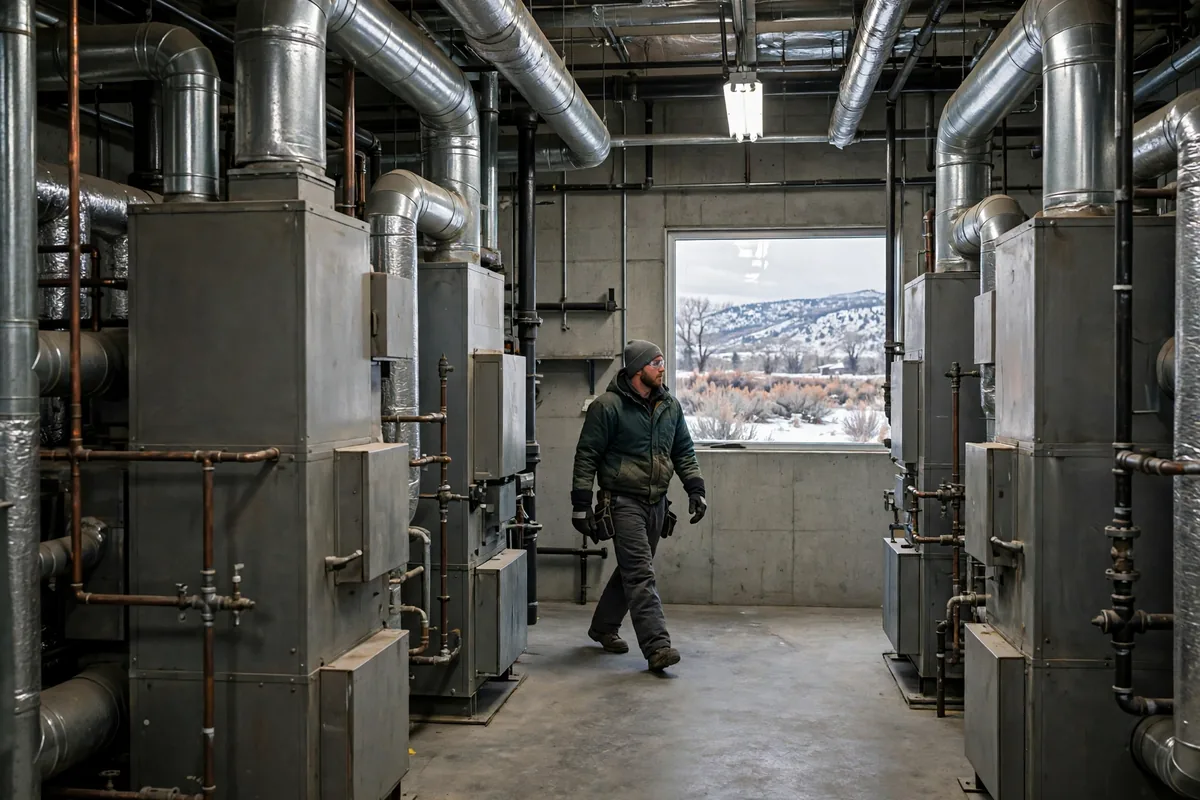
Commercial furnaces are larger, often several units serving one building, with longer duct runs and bigger blowers. A fault in one unit may leave only part of a building cold, which changes the urgency: a shop floor can cope differently from a dining room or a room full of stock that must stay above freezing. Diagnosis starts with which unit serves which area, not just with the failed part.
Controls differ too. Timers, multiple thermostats, and zone panels are common, and a control fault can shut down a whole wing while the furnaces themselves are sound. Our furnace controls and zone heating page covers zone panels, which are the first suspect when one area of a building goes cold while others stay warm.
Planning
Commercial visits are planned around the working day. Maintenance and non-urgent repairs happen outside opening hours where possible, so staff and customers are not disrupted and doors are not left open to cold. Urgent failures are handled at once, with temporary measures to protect stock and pipes while the repair proceeds.
A maintenance rhythm matters more in a workplace, since a missed year of upkeep on several units compounds into several failures at once. A yearly maintenance and tune-up visit per unit, scheduled before winter, keeps the building's heat predictable. Records of each unit's condition help the next visit, since commercial buildings change tenants and layouts more often than homes.
Workplace heat failing? Call Frontier Heating and tell us which areas are affected.
Call (307) 309-8601Common faults
Doors opening all day drag cold air in and push warm air out, which makes entrance areas hard to heat and forces nearby units to run long cycles. Dust from workshops and stockrooms clogs filters faster than in homes, so filter checks need a shorter rhythm. Long duct runs lose heat on the way and starve far corners, which is why balancing matters more in a large building.
Our ductwork and airflow services page covers balancing and sealing for long runs. In a commercial building, the duct check includes rooftop and high-level runs that homes never have, and access to those runs is planned into the visit rather than improvised.
Safety and compliance
Venting and carbon monoxide alarms deserve the same attention as in a home, with more people at stake. Alarms in work areas, sleeping areas where they exist, and furnace rooms should be tested regularly and replaced at the end of their working life. A furnace safety inspection gives the business a dated record of venting and exchanger condition, which is useful for insurers and landlords as well as for safety.
The U.S. Environmental Protection Agency covers indoor air quality in workplaces as well as homes, and its indoor air pages are a useful reference for managers. See EPA indoor air quality guidance for that background.
Planning winter maintenance for a business? Call us before the cold season starts.
Call (307) 309-8601Replacement
Commercial replacement is staged. Units are swapped one at a time where possible, so the building never loses all heat at once, and the work is timed for mild weather or closed hours. Sizing follows the building as it stands: partitions moved, extensions added, and occupancy changed all alter the load since the old units went in.
Our furnace installation page describes fitting in detail. For a workplace, the added planning is the point: a swap that respects opening hours, protects stock, and leaves every zone tested before the doors open again.
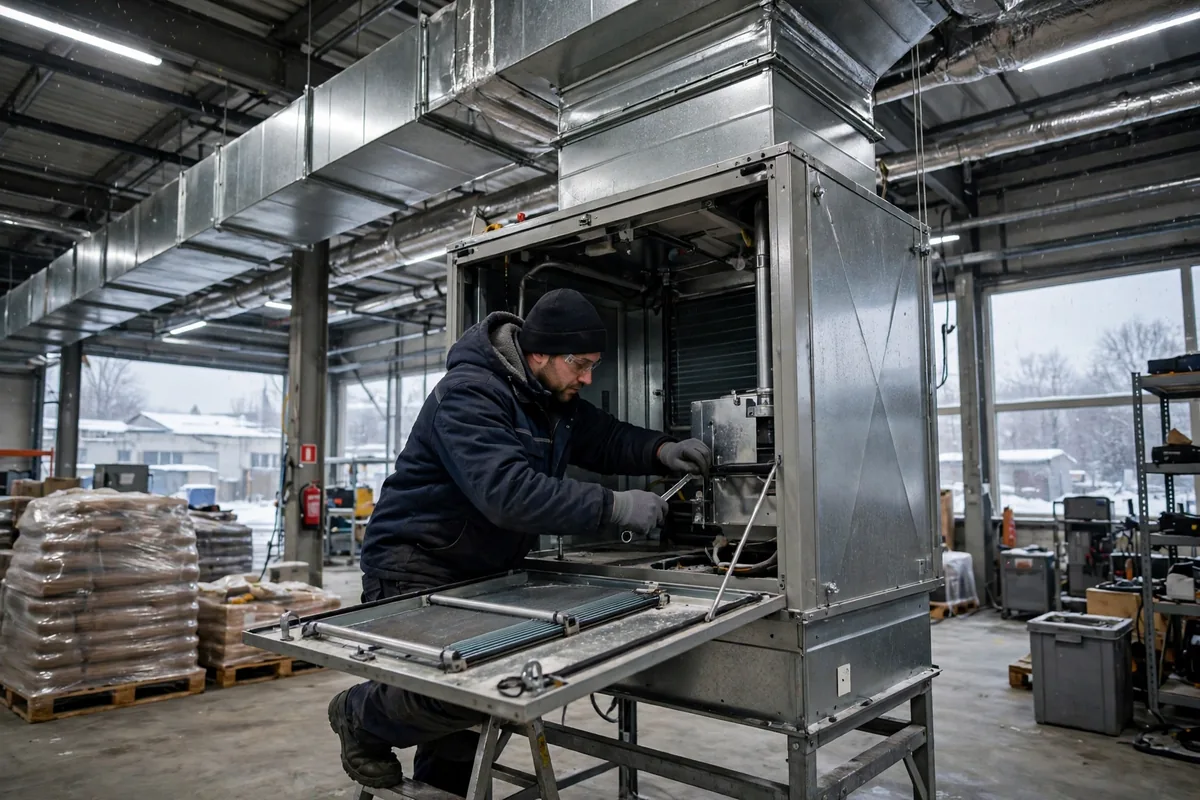
Commercial buildings use larger or multiple units, longer duct runs, and zone controls serving different areas, and failures disrupt work rather than just comfort. Visits are planned around opening hours, and maintenance records matter more since buildings change hands and layouts.
Yes. A yearly visit per unit before winter keeps heat predictable and avoids several units failing together. Put the visit on the calendar before autumn, and keep the record with the building file for the next manager or technician. Workplaces also need a shorter filter rhythm, since dust and door traffic clog filters faster than in homes.
The failed unit or zone is diagnosed at once, and temporary measures protect stock and pipes while repair proceeds. Other units keep the rest of the building heated where the system allows, and the repair is prioritized by what the business cannot do without heat.
Urgent repairs yes, and planned work usually outside opening hours. Maintenance and swaps are scheduled for closed hours or mild days where possible, so staff and customers are not disrupted. The plan is agreed before the visit, not improvised on the day.
Yes, in work areas and furnace rooms, and in sleeping areas where they exist. Alarms should be tested regularly and replaced at the end of their working life. A safety inspection verifies alarm placement as well as venting and exchanger condition.
Doors opening all day drag cold air in faster than the nearest unit can replace it. That is a layout and airflow problem as much as a furnace problem, and it is addressed with balancing, door discipline, and sometimes an added heat source near the entrance.
It depends on size, layout, and use. Larger buildings use several units or zones rather than one huge furnace, so a failure affects one area, not the whole building. Zoning also lets different areas hold different temperatures. That split also means one failure stays local instead of shutting down the whole building.
Yes. A record of each unit's age, repairs, and inspection findings helps the next technician, informs a buyer or landlord, and shows insurers the system is maintained. We leave a plain-words account after every visit for that file. Keep that file with the building records, where the next manager can find it.
Usually, by staging the work unit by unit and timing it for mild weather or closed hours. The building keeps partial heat throughout, and each zone is tested before the doors open again. The plan is agreed with the manager before work starts, not improvised on the day.
Tell us the building type, how many units serve it, and which areas go cold. We plan visits around opening hours and leave a plain-words record for the business file.
Call (307) 309-8601