Gas Furnace Services
Burner, ignition, and venting work for homes on natural gas.
Heating choices compared
This is a comparison, not a sales pitch. A heat pump moves heat from outside air into the house, while a furnace makes heat by burning fuel or heating elements, and that difference decides everything in Wyoming. In deep cold, the furnace has the simpler job, and this post explains why.
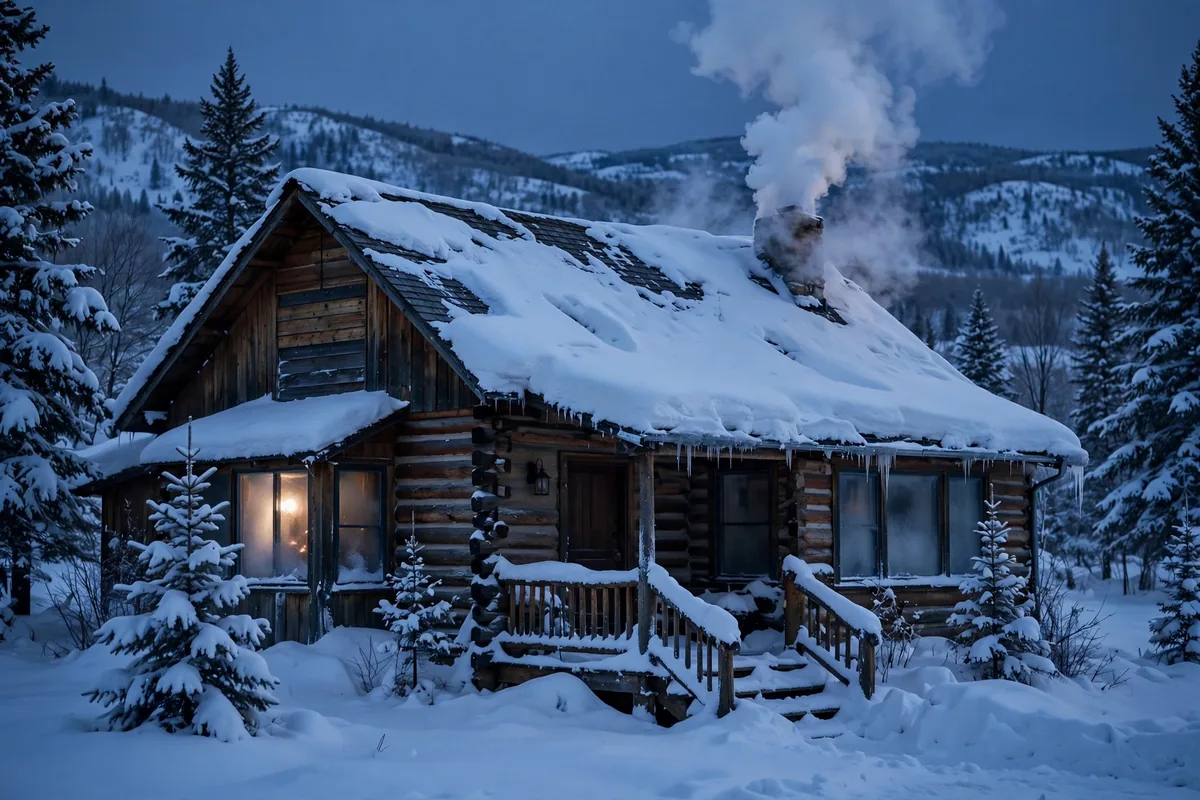
A furnace creates heat on demand. A gas or propane burner lights, or electric elements glow, and the blower pushes that new heat through the ducts no matter how cold it is outside. The fuel bill rises in a cold snap, but the heat itself does not depend on finding warmth outdoors.
A heat pump does the opposite. It collects heat from outside air and moves it indoors, which works beautifully when outdoor air still holds usable warmth. As outdoor air gets colder, there is less heat to collect, so the system works harder for less output. That is physics, not a flaw, and it is why cold-climate performance is the whole question in Wyoming.
| Feature | Furnace | Heat pump |
|---|---|---|
| How it heats | Makes heat by burning fuel or heating elements | Moves heat from outdoor air indoors |
| In deep cold | Heats steadily at full strength | Output falls and run time grows |
| Fuel needed | Gas, propane, or electricity | Electricity, plus backup heat in cold weather |
| Cooling | Heating only | Heating and cooling in one system |
| Best fit in Wyoming | Cold, windy, high, or rural homes | Milder pockets and shoulder-season use |
Wyoming winters test a heat pump in three ways at once: long stretches of deep cold, high altitude, and wind that strips heat from a house faster than the system can replace it. In those stretches a heat pump may run almost constantly, fall behind the thermostat, and lean on backup heat to keep up, which changes both comfort and running costs in a way that surprises owners.
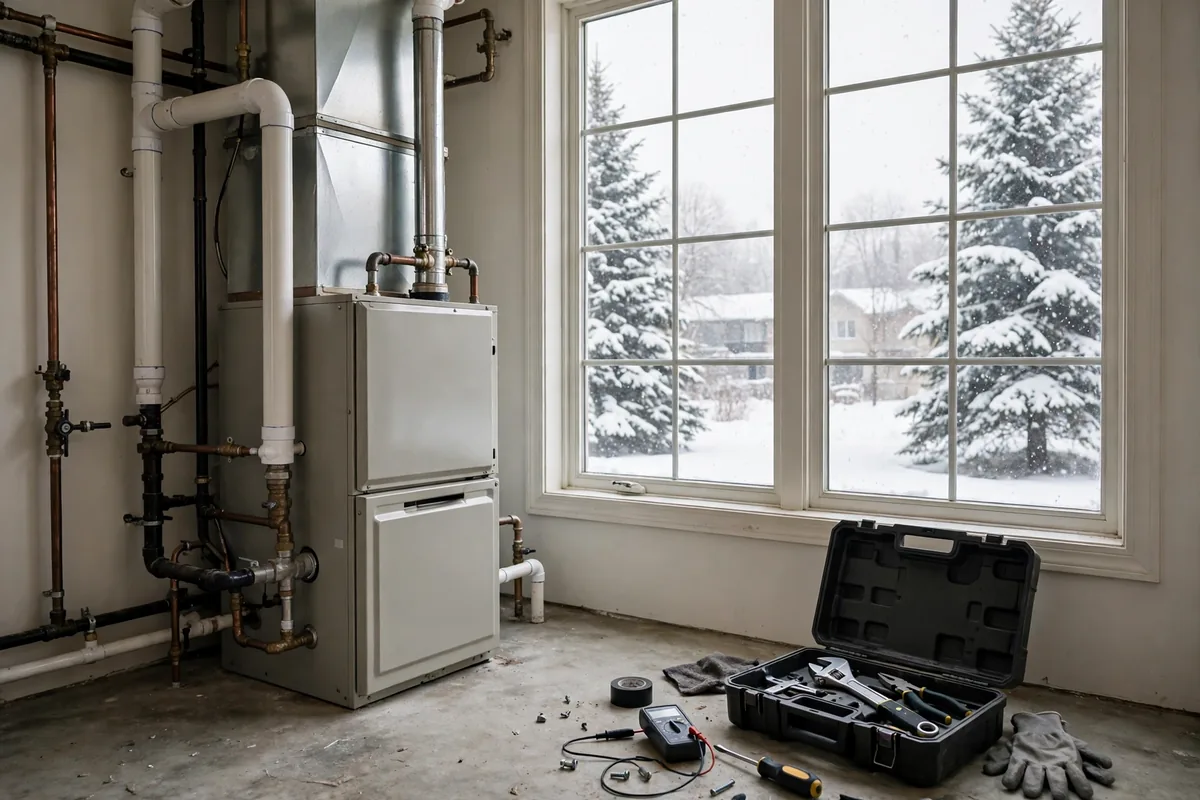
Homes in milder pockets, or homes that only need help in shoulder seasons, face a friendlier version of this story. But a house that must hold steady heat through a January cold snap in Jackson or Rawlins needs a system sized for the worst week, not the average one, and that is where a furnace earns its place. The Department of Energy building science pages on high-performance comfort systems describe how heating systems are sized for comfort and durability.
Weighing a furnace against a heat pump for your Wyoming home? Talk it through with us.
Call (307) 309-8601A furnace earns its keep on the coldest nights, when the house needs full heat and there is no margin for a system that is struggling. Gas, propane, and electric furnaces all make heat directly, so they hold a steady indoor temperature through wind and deep cold without hunting for outdoor warmth. For rural homes on propane, that independence matters even more, because the fuel sits in a tank on the property rather than depending on outdoor conditions.
The trade is that a furnace only heats. It does not cool, and it burns fuel or draws heavy power to make every unit of heat. We do not offer heat pump installation. Our work is furnaces, and our gas furnace services and propane furnace services keep those systems running through Wyoming winters.
Start with your winter, not a brochure. If your house sits in a windy, high, or very cold part of Wyoming, or if it is a cabin that must warm fast after sitting empty, direct heat from a furnace is the safer bet. If your winters are milder, your house is tight and well insulated, and you value one system for heating and cooling, a heat pump deserves a careful look with a load calculation for the coldest week.
Either way, size the system for the worst weather, not the average day. Talk through fuel availability, insulation, and how the house is actually used, and let those facts make the choice.
They can work in milder areas and in shoulder seasons, when outdoor air still holds heat to move. In deep cold they lose output and run longer, so they need careful sizing and often backup heat. They are not useless here, but they are not a simple swap for a furnace.
Usually, yes, because a cabin needs fast, strong heat after sitting cold and empty. A furnace makes heat at once, while a heat pump must slowly pull warmth from cold outdoor air. For weekend cabins in the mountains, that speed matters.
Some homes use both, with the heat pump handling mild weather and the furnace taking over in deep cold. That dual setup needs controls that switch cleanly between systems, and it is worth planning with a full load calculation first.
A furnace makes heat by burning fuel or heating elements, while a heat pump moves heat from outside air indoors. Making heat works in any outdoor temperature. Moving heat gets harder as outdoor air gets colder, which is why climate decides the winner.
In much of Wyoming, yes, especially through deep cold stretches. Backup heat, often electric elements or a furnace, covers the gap when the heat pump cannot keep up. A system planned without backup may leave a house cold in January.
Not in any simple way. Both have fans and motors, and noise depends on the unit, the ductwork, and the install. A well-fitted furnace in a sound duct system runs quietly, while a struggling heat pump running constantly can be the noisier of the two.
A furnace sized for the home and its ductwork usually suits a manufactured home best, because it delivers strong, direct heat through short duct runs. Any system for a manufactured home must match its airflow and venting, not just its square footage.
Altitude itself matters less for a heat pump than cold does, but Wyoming combines both. Thin, cold, windy air is the hard case, and a heat pump sized for sea-level mild weather will not be sized for a high Wyoming winter.
In milder Wyoming pockets with a tight, well-insulated house, it can, with backup heat planned in. In colder, windier, or higher parts of the state, a full replacement is a gamble unless a load calculation for the coldest week says otherwise.
Call Frontier Heating to talk about which heating approach fits your home and winter.
Call (307) 309-8601