Gas Furnace Services
Burner, ignition, and venting work for homes on natural gas.
Three fuels, one choice
Most Wyoming homes heat with one of three fuels: natural gas where a line reaches, electricity where it does not, or propane from a tank on the property. Each one makes heat differently, suits a different kind of home, and carries its own habits for fuel, venting, and care. This comparison lays them side by side so you can match the fuel to your house, not to a slogan.
The table below compares the three fuels on features alone. Read it as a starting point, then weigh the rows that matter most for your home: a rural house beyond the gas line cares most about fuel independence, while a town house on a gas main cares more about steady heat and venting.
| Feature | Gas | Electric | Propane |
|---|---|---|---|
| Fuel source | Natural gas main to the house | Electricity supply to the house | Tank on the property |
| How it makes heat | Burner flame through a heat exchanger | Heating elements in the airstream | Burner flame through a heat exchanger |
| Venting | Combustion venting required | No combustion venting | Combustion venting required |
| Fuel habit | Supply from the street main | Electrical capacity for heavy draw | Watch the tank level through winter |
| Best fit | Town homes on a gas main | Smaller or all-electric homes | Rural homes beyond the gas line |
A gas furnace burns natural gas in a burner, moves the heat through a heat exchanger, and sends warm air through ducts. It heats quickly, holds a steady temperature through a cold snap, and suits town homes and suburbs where a gas main already runs to the street. Venting matters here, because combustion gases must leave the house cleanly, and a yearly look at burners and vents keeps that chain sound.
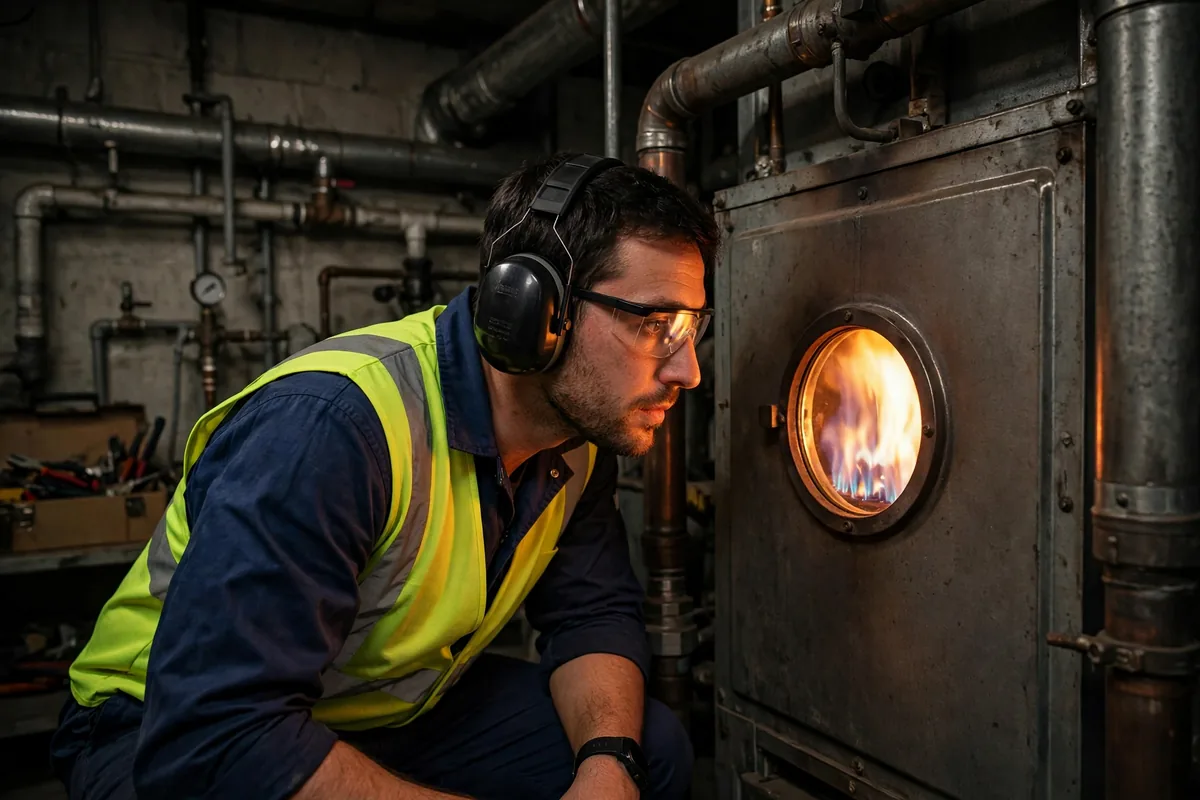
Gas also brings the habits of any flame system: ignition parts wear, flame sensors foul, and vents need clearing after snow. Those are routine jobs, and our gas furnace services cover burner, ignition, and venting work for homes on natural gas. If your street has no gas main, though, gas is simply not an option, and the choice narrows to electric or propane.
Not sure which fuel fits your Wyoming home? Call us and talk through your options.
Call (307) 309-8601An electric furnace heats elements, much like a large toaster, and blows air across them. There is no flame, no venting of combustion gases, and fewer moving parts to wear, which makes the unit simple to run and easy to place. That simplicity suits smaller homes, additions, and places where gas and propane are awkward to arrange.
The trade is electrical draw. An electric furnace pulls heavy power when it runs, and in a long Wyoming winter that draw shows up in how the house uses electricity overall. It still heats steadily in deep cold, because it makes heat directly rather than moving it, but the home electrical system must be sized for the load. Our electric furnace services cover elements, controls, and wiring checks for all-electric homes.
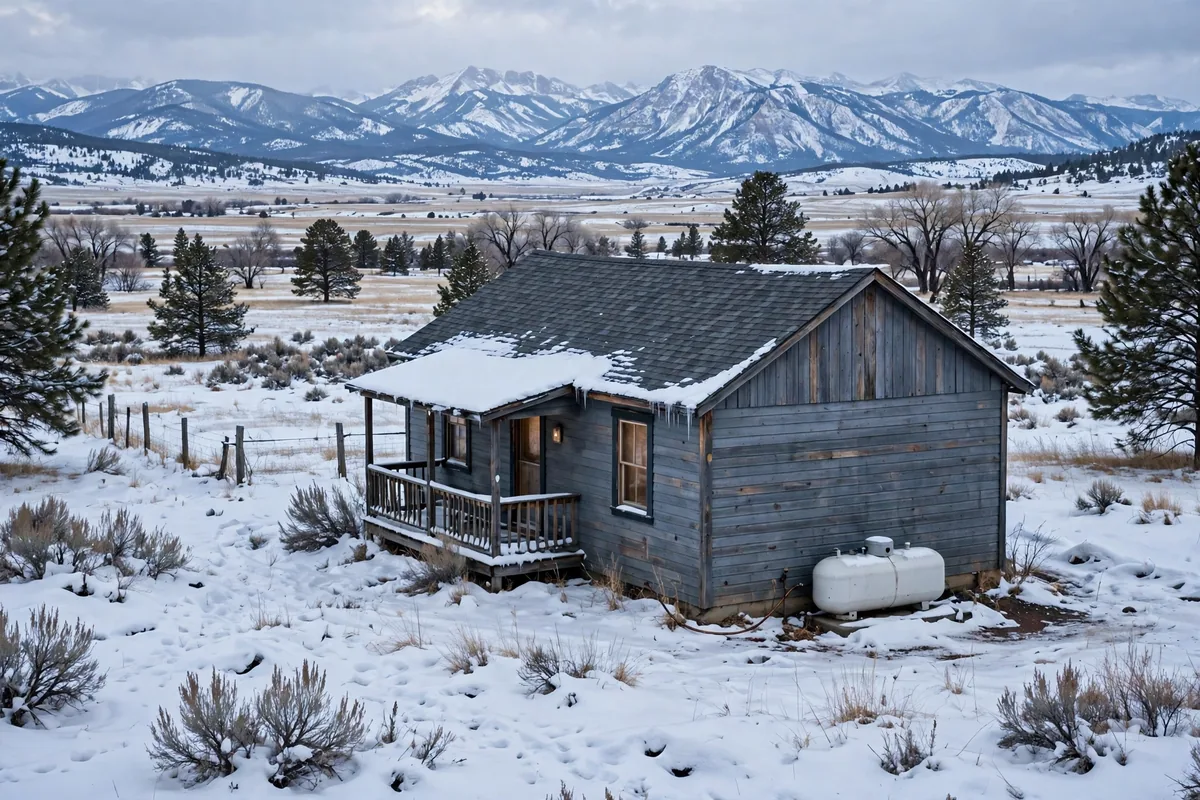
A propane furnace works much like a gas furnace, but its fuel comes from a tank on the property rather than a street main. That independence is the whole point for rural Wyoming: a home miles from town can still heat strongly through a storm, as long as the tank holds fuel. Propane burns hot and heats fast, and the furnace itself shares most parts with a gas unit.
The habit that comes with propane is watching the tank. A tank that runs dry in a cold snap leaves a house without heat, and winter deliveries can be delayed by storms, so checking the level before cold weather and after long cold stretches is part of owning the system. Our propane furnace services cover burner, ignition, and tank-fed supply work for rural homes.
Sometimes, but it is a bigger job than swapping a part. Fuel switching can mean new gas lines, electrical work, venting, or a tank, and the ductwork must suit the new unit. A technician can tell you what your house would actually need before you decide.
Gas and propane furnaces heat fast because they burn fuel at once, while electric furnaces also heat steadily once elements glow. Speed depends more on sizing and ductwork than on fuel alone, so a well-sized unit of any fuel beats an undersized one.
Yes, when the tank, lines, and furnace are kept in good shape and the tank level is watched. Propane systems are built for cold weather, and the main winter habit is simply not letting the tank run low during a long cold stretch.
Yes, a gas furnace needs a natural gas supply to the house, which usually means a street main and a service line. Homes without a main cannot use natural gas, and propane or electric become the realistic choices for those properties.
Yes, if it is sized for the house and the electrical system can carry the load. Electric heat works in deep cold because it makes heat directly. The question is not whether it heats, but whether the home wiring and supply suit a long, cold season.
Most tanks have a gauge on the tank itself, and the reading should be checked before cold weather and after long cold stretches. Do not wait for the furnace to stop before checking. A regular glance at the gauge prevents the most common propane outage.
Electric furnaces have the simplest upkeep, with no burner or venting chain to maintain. Gas and propane units need burner, ignition, and venting attention. All three still need filters, airflow, and a yearly look to run well through a long Wyoming winter.
Yes, propane suits many manufactured homes, especially rural ones beyond the gas line. The furnace must be the right type for the home and its venting, with ductwork and airflow matched to a smaller, tighter floor plan, but the fuel itself is a sound choice there.
It can, because thin air changes how a flame burns. A furnace set up for low country may run rough at Wyoming elevation, with soot or weak flames. A high-country setup adjustment at install, or when trouble starts, keeps combustion clean.
Call Frontier Heating to compare gas, electric, and propane heat for your home.
Call (307) 309-8601