Furnace Maintenance and Tune-Up
A yearly visit that catches small wear before winter tests it.
Before the cold sets in
Wyoming winter does not forgive a furnace that was never looked at in autumn. Snow blocks vents, wind drives cold through every gap, and a small fault that was harmless in October becomes a cold house in January. This checklist walks through the jobs that matter most, in the order that makes sense, before the hard weather arrives.
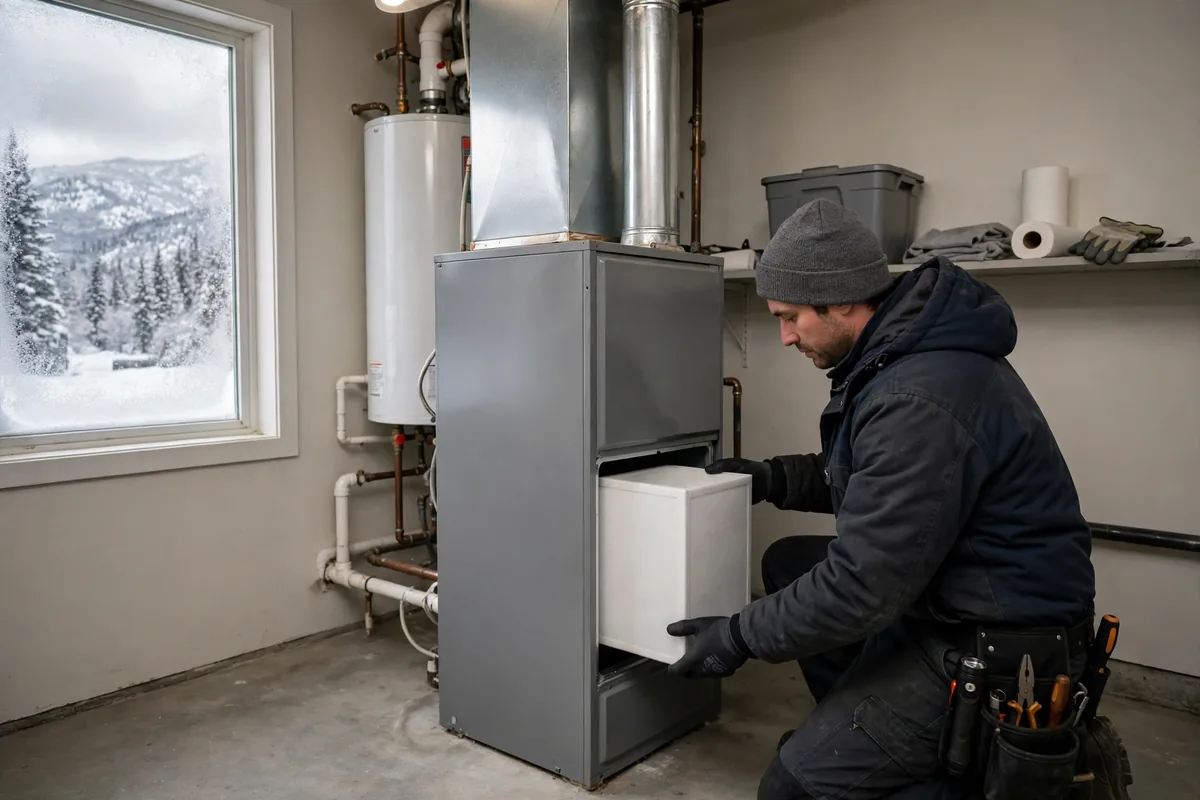
Start outside, because Wyoming weather attacks from outside first. Walk around the house and clear leaves, snow, and stored items from furnace vents and intake pipes, and note where drifting snow piles up in a storm. A vent that is clear on a calm day can be buried after one windy night, and that is the vent to watch all winter.
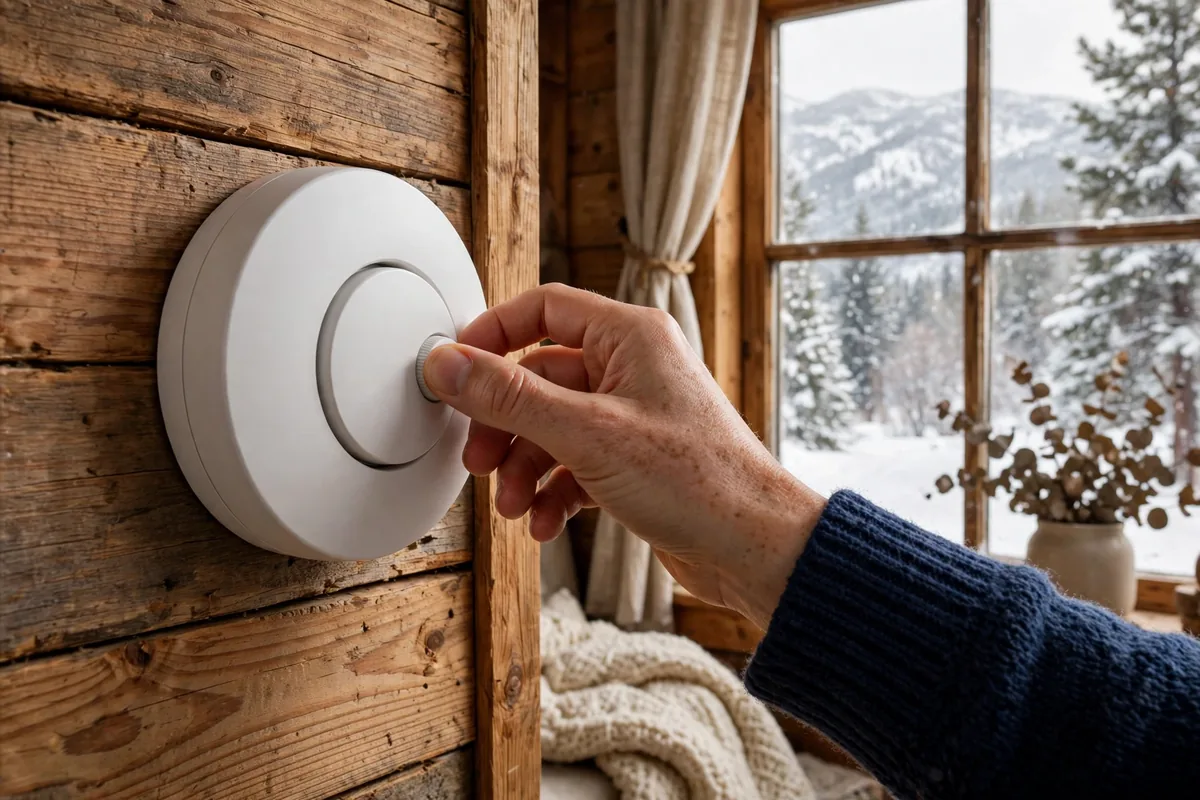
Inside, change the filter, open every vent, and move furniture and rugs off registers. Then run the furnace for a full cycle and listen: steady ignition, even warmth, no new noise. A trial run in mild weather tells you far more than a first run during a cold snap, when every fault feels urgent.
Work through these steps in order, and do not skip the ones that look dull. The dull steps are the ones that prevent the dramatic failures, and they take less time together than a single midwinter breakdown.
Want a hand running through this checklist before winter? Call Frontier Heating.
Call (307) 309-8601Winter care is mostly watching. Check the filter again after a dusty stretch or a long windy spell, glance at outside vents after each storm, and notice if rooms start heating unevenly or the furnace cycles more often. Those small changes are the early signs that something needs attention, and catching them early keeps a visit simple.
Keep the thermostat steady rather than swinging it up and down. A steady setting lets the furnace run in long, even cycles, which suits Wyoming houses better than bursts of high heat followed by cold gaps. If you leave for a few days, keep enough heat running to protect pipes, and ask someone nearby to glance at the house after a storm.
Cabins and second homes need a different rhythm. A cabin that sits empty through cold weeks can hide a failed furnace until the next visit, when pipes may already be at risk. Before leaving a cabin, confirm the furnace is running, vents are clear, and someone can check in after a storm.
When you arrive at a cold cabin, warm it gradually and listen for odd ignition or airflow sounds before settling in. A furnace that has sat cold and damp may need a look before it is asked to run hard all weekend. Our furnace maintenance and tune-up visits can be timed for the start of cabin season, and our furnace safety inspection covers venting and alarms in one visit. The ENERGY STAR guidance on smart thermostats also covers easing heat back while a home sits empty.
Check it monthly through winter and change it when it looks dirty, because Wyoming dust and long run times clog filters faster than a mild climate does. A clean filter protects airflow, the motor, and even heat in every room.
Early autumn, before the first hard freeze, is the best time. The technician can work without storm pressure, parts are easier to arrange, and any fault found still leaves time to fix it before the deep cold arrives in Wyoming.
After windy storms, yes, because drifting snow can bury a low vent overnight. A quick walk around the house after a storm is one of the simplest habits a Wyoming homeowner can keep, and it prevents a surprising number of shutdowns.
Check the thermostat, filter, and outside vents for snow, then try one reset if the unit instructions allow it. If it still will not run, keep pipes in mind, close off unused rooms, and call. Do not open the furnace cabinet to chase burner parts.
The size is printed on the old filter frame, and the furnace manual lists it too. A filter that is too small lets dust past, and one forced into place can buckle and block airflow. Bring the old filter size when you buy replacements.
Mostly, yes, because closing too many vents raises pressure in the ducts and can overheat the furnace. Closing one vent in a truly unused room is fine. Closing half the house is not, and it often causes short cycling and uneven heat.
A thermostat in a draft, in direct sun, or above a register reads the wrong temperature and chases itself. Placement matters as much as the device itself. If the setting never holds, check placement and wiring before replacing the unit outright.
Yes, test them monthly and whenever you return to a cabin or second home. Alarms are the backup for a venting or combustion fault you cannot see, and winter is when furnaces run longest and alarms matter most of all.
Ask a neighbor or caretaker to check that the house still has heat and that vents are clear after the storm. A quick check can catch a shutdown days before you return, which is the difference between a repair and frozen pipes.
Call Frontier Heating to book a pre-winter furnace visit for your Wyoming home.
Call (307) 309-8601